10 Year Death Anniversary: Ways to Mark a Decade
A 10 year death anniversary can feel quieter but no less tender. Gentle ideas for gathering, telling grandchildren, honoring from afar, and marking a decade.
How can ten years feel like both a lifetime and no time at all? If a 10 year death anniversary is coming up, you may be asking yourself exactly that. The calendar says a decade has passed, yet some mornings the memory of their voice still feels close enough to touch.
Part of what makes this date tender is that the world has moved on. Friends have stopped marking it. Cards no longer arrive. But you still feel the day in your body and your heart, and it deserves some kind of attention.
This guide covers what changes about grief at ten years, why this anniversary can feel different from the first, and gentle ideas for gathering your family. It also looks at including children who were too young to remember, introducing grandchildren who never met them, honoring them from far away, and creating tributes that last.
Key Takeaways
Grief changes shape. At ten years it usually softens rather than ends, and keeping an ongoing bond with the person is healthy.
Plan ahead. The tenth anniversary is often quieter than the first, with less outside acknowledgment, so deciding in advance how to mark it helps.
Keep the gathering small. Their food, their stories, or a shared act of service can mark the decade without a formal program.
Let younger generations know them. Children who were too young to remember, and grandchildren born later, can come to know them through stories, photos, and objects.
Distance is not a barrier. Cemetery offices, volunteers, and online memorials make it possible to honor them from anywhere.
Does Grief Change at the Ten Year Mark?
Yes. By the ten year mark, grief usually becomes less intense and takes a different form, but it rarely disappears. It becomes something you carry, and it can come back in waves, often when you least expect it.
Grief researchers describe this with the continuing bonds model, which Dennis Klass, Phyllis Silverman, and Steven Nickman introduced in 1996. It holds that keeping an ongoing inner relationship with the person is a normal and healthy part of grieving, not a failure to move on. Talking to them in your head, wondering what they would think, or keeping a place for them in your memory are all ways the bond continues.
It also helps to know where ordinary tenderness ends and something heavier begins. The American Psychiatric Association added prolonged grief disorder to the DSM-5-TR in March 2022, and the APA describes it as intense, persistent grief that causes real problems in everyday functioning. That is very different from the quiet ache most people feel on a tenth anniversary.
When families come to us years after a loss, they rarely describe raw pain. They describe a quieter ache and a wish for the person to still be known. If that sounds like you, nothing is wrong. You are loving someone across time.
Why Ten Years Feels Different From the First Year
The first year is full of firsts, and the people around you expect them and show up. By year ten, most people have stopped marking the date. The pain may be gentler, but the anniversary can feel lonelier. For a comparison, our guide to the one year death anniversary and how to mark the first year shows how different that first date can feel.
Most guides treat later anniversaries as easier. In practice, a round-number anniversary often stirs up something people talk about less: grief for the life events the person missed. The wedding they never attended. The baby they never held. The graduation where their seat stayed empty. You may be mourning more than the day of the loss. You may also be mourning the story that kept going without them.
Many cultures and spiritual traditions handle this the same way. They make remembrance a yearly event, so it never depends on other people remembering. In Judaism, the yahrzeit is observed every year on the Hebrew date of the passing, traditionally with a memorial candle that burns through the day. In Mexico, the Indigenous festivity dedicated to the dead, which UNESCO recognizes as intangible cultural heritage, takes place each year from late October into early November. Families set out favorite dishes, flowers, and candles for those who have died.
You may not belong to either tradition, but the lesson still applies. If the world will not remind you, you can create your own reminder.
“Grief is the price we pay for love.”
That price does not run out after a set number of years. Love has no schedule, and remembrance doesn't need one either. One of the most natural places to start is around a shared table.
Ten Year Death Anniversary Ideas for a Family Gathering
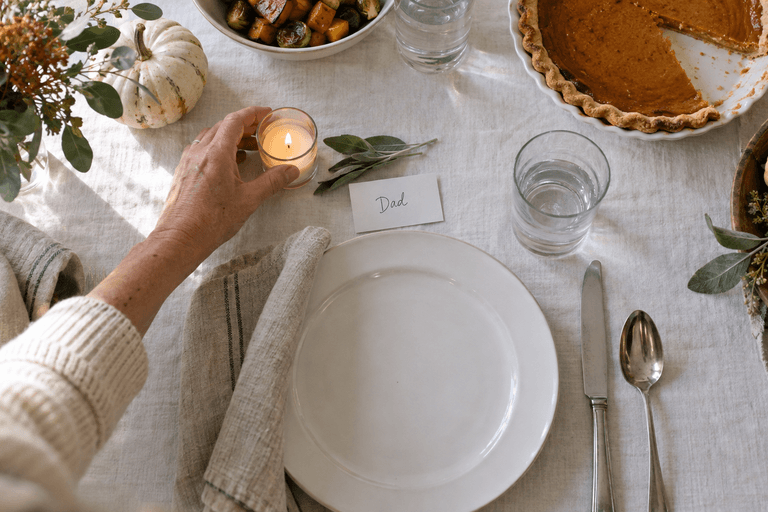
The best ten-year gatherings are small, focused on the person, and built around one shared activity instead of a formal program. Here are six ideas to choose from. If you want words to read aloud or send to relatives who cannot attend, our collection of death anniversary ideas and remembrance messages can help.
Six Gentle Ways to Gather
Cook their signature recipe together
Let the kitchen fill with the smells they made familiar. Everyone can help, and the meal becomes the tribute.
Hold a memory round
Each person shares one story, including ones the youngest have never heard. Invite the quieter relatives to speak too.
Share a ten-years photo slideshow
Collect photos from across the decade, or ask relatives to bring printed pictures to pass around the table.
Visit a place they loved
A lake, a ballpark, a garden, or a favorite diner. Being there often brings out stories that a living room does not.
Do a service project
Volunteer, or donate to a cause they cared about. Giving in their name turns the day into something useful and warm.
Light a candle or raise a toast at a set time
Pick one moment so relatives far away can join from their own homes at the same hour.
Keeping things simple is perfectly fine. A shared meal and one story told well can be enough. The VA's National Center for PTSD recommends planning ahead for an anniversary. It lists visiting a grave, donating to charity, helping others, and spending the day with family as ways to mark it.
How to Mark Ten Years When the Children Were Too Young to Remember
Children who were babies or toddlers at the time may have no memories of their own. The anniversary gives other people a chance to share their memories with them. A child who was two may now be twelve, and a twelve-year-old asks very different questions.
The Dougy Center, a national grief center for children and families, notes that grief has no timeline and changes over a person's life, and that it is okay for children to keep grieving as they grow. Bereavement counselors often call this regrieving at new developmental stages. A child may feel real sorrow for someone they do not remember, and that sorrow counts.
A few practical ideas:
- Ask each relative to write down one specific memory for the child, such as the time they taught someone to fish or the song they always hummed.
- Tell the child which traits or habits they share with the person, like the same laugh or the same stubborn streak.
- Let the child choose part of the day, such as the meal, the place, or the song. The Dougy Center notes that offering choices helps children regain a sense of control.
- Answer questions honestly and at their level, and say the person's name often so talking about them feels safe.
How to Introduce Them to Grandchildren Born After They Died
Start with small, concrete details instead of a life story: a favorite joke, a dish, a song, a photo where they are laughing. A young child will remember "Grandpa always put hot sauce on his eggs" long after a list of dates fades.
Here are some ways families do this well:
- Make a "meet your grandpa" photo book or digital album. If the best pictures are in old albums, our guide to how to digitize old family photos can help.
- Record older relatives telling stories now, while they still can. These questions to ask older relatives before it is too late are a good starting point.
- Use the person's name naturally in everyday family conversation, not only on anniversaries.
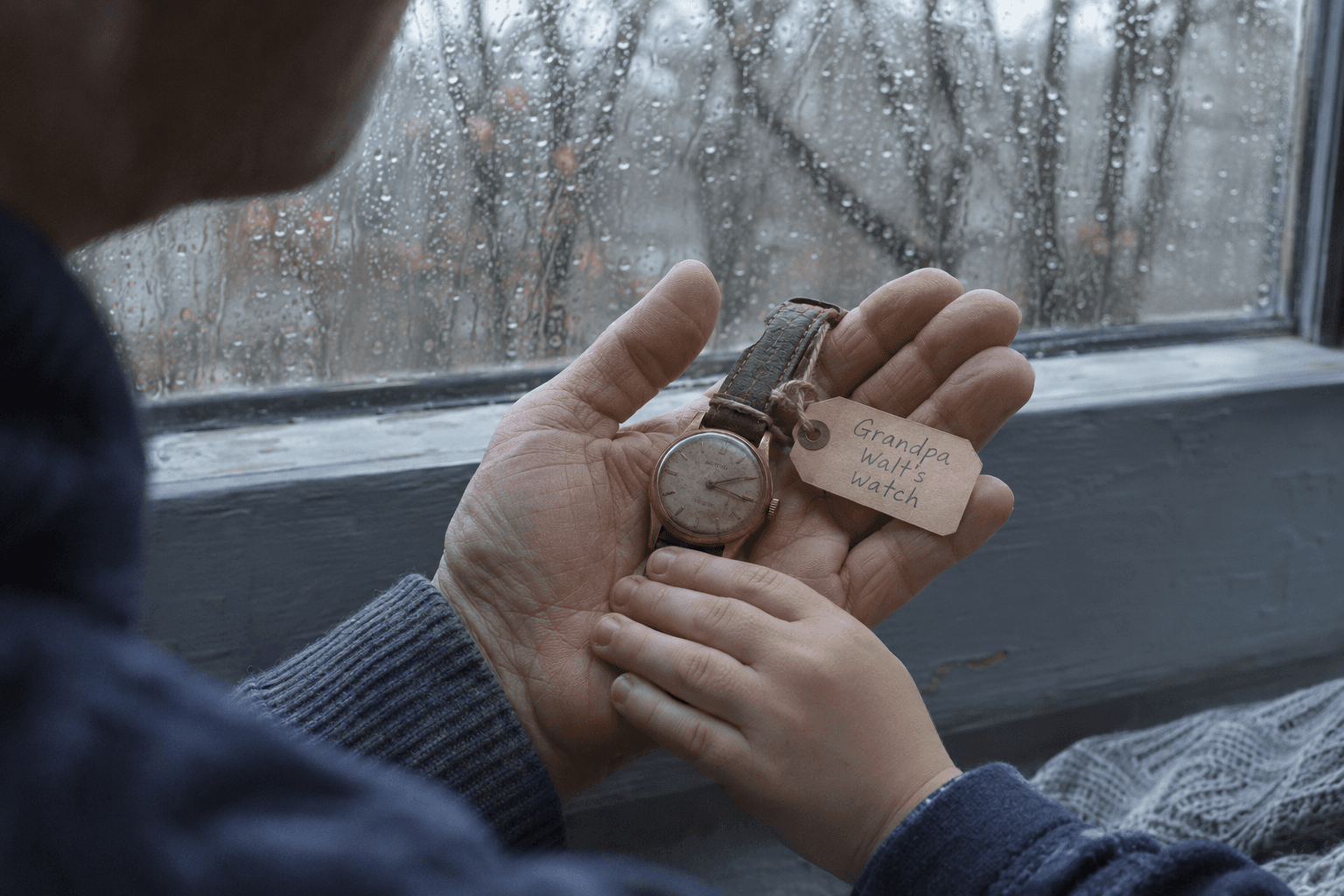
- Pass on one object, such as a watch, scarf, or recipe card, along with its story.
- Turn the tenth anniversary into a yearly storytelling night, so the tradition grows with the children.
Traditions around the world, from ancestor altars to family shrines, reflect the same wish: that new generations grow up knowing the names of those who came before. What you are doing is very old, and very kind.
What Do You Do If You Have Moved Away From the Grave?
You can still look after and visit the grave from far away, and you can create a place for remembrance where you live now. Distance changes how you do it, not how much you love them.
Start by calling the cemetery office. Many offer flower placement or grave care services, and they can tell you what is allowed. National cemeteries publish their decoration rules in writing. For example, the VA's Alexandria National Cemetery lists seasonal limits on artificial flowers and bans glass vases and breakable objects, and it removes decorations that are not allowed. You can also ask relatives or friends who live nearby to visit and send you a photo.
If neither is possible, Find a Grave lets members request a headstone photo through Find a Grave's volunteer program from a grave's memorial page, and volunteers near the cemetery can take it. For veterans, the VA's Veterans Legacy Memorial lets family, friends, and the public submit tributes and images, which moderators review before posting. It covers veterans in VA national cemeteries and several other types of cemeteries. It also includes some veterans in private cemeteries who received a VA-provided headstone or marker.
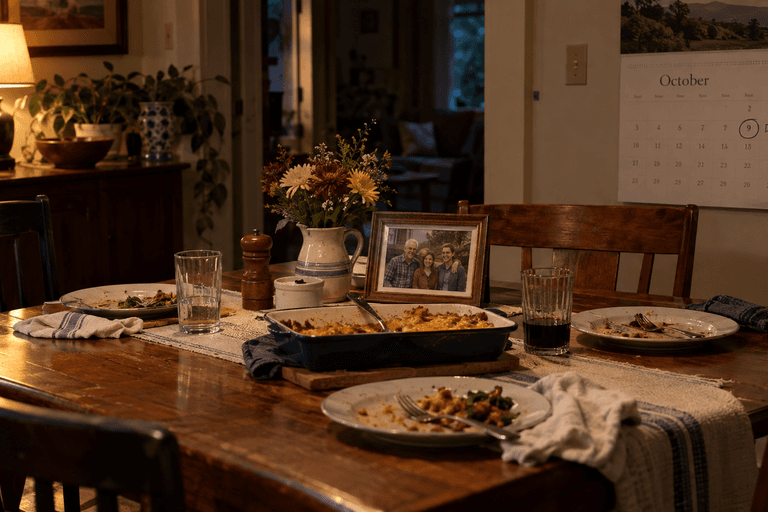
Finally, consider a small remembrance spot at home, or plant something nearby. A framed photo, a candle on the windowsill, or a rosemary bush in the yard can become a place you visit.
Check Cemetery Rules Before You Send Anything
Before you order flowers or decorations for a distant grave, call the cemetery office and ask about its current rules. Many cemeteries limit what can be placed and clear items on set dates. A quick call keeps your tribute from being removed.
Is It Strange to Still Grieve After Ten Years?
No. Feeling grief strongly around an anniversary is common, even many years later. The VA's National Center for PTSD explains that grief and sadness are very common on the anniversary of losing someone close, and that the days before it can bring trouble sleeping or focusing, irritability, and fatigue.
This fits the continuing bonds idea from earlier. A bond that is still alive will stir when the date comes around. That is not a setback, and you do not need to hurry past it.
Still, there are times to reach out for help. If grief keeps getting in the way of daily life, a grief counselor can help, and the same VA page notes that treatment is available if an anniversary still causes suffering years later. If you are in crisis in the U.S., call or text 988 to reach the 988 Suicide and Crisis Lifeline.
Lasting Ways to Mark a Decade Since a Death
A decade is a natural time to create something that will outlast the day itself. These options suit different families and budgets.
Plant a Memorial Tree
A tree is a tribute that keeps growing. You can plant a tree in their honor, or read our memorial tree planting guide to choose a species and a spot. Lovekept also plants a real tree for every published memorial.
Dedicate a Bench or Plaque
Many local parks departments run dedication programs for benches or plaques. Programs and costs vary from city to city, so check with yours directly. A bench in a place they loved gives the whole community somewhere to sit and remember.
Start a Scholarship or Yearly Donation
A scholarship or a yearly gift to a cause they cared about carries their values forward, even when it is small. What matters is that it happens every year. Over time, it becomes part of how your family marks the date.
Record a Family Oral History
Sit with the relatives who knew them best and record their stories. After ten years, some details are already fading, which makes this one of the most valuable gifts you can give the next generation.
Create a Free Online Memorial Page
You can create a free online memorial where relatives anywhere can add photos, stories, and guestbook messages every year. It becomes a permanent home for ten years of stories, and a place grandchildren can return to as they grow.
Give Ten Years of Memories a Lasting Home
Create a free online memorial page for the person you are remembering. Relatives near and far can share stories and photos before the anniversary, and grandchildren can come back to it as they grow. A real tree is planted when the memorial is published.
Create a MemorialWhat do you do on the 10th anniversary of a death?
Most families keep it small: they cook a favorite recipe, share stories, visit a meaningful place, or light a candle. Some also start something lasting, like planting a tree or making a yearly donation. See the family gathering ideas and lasting tributes above.
Is the 10 year death anniversary a significant milestone?
Many families treat round numbers as special, though customs vary by tradition. Some, like the Jewish yahrzeit, observe every year the same way. What matters most is that the date means something to you.
What do you say to someone on the 10 year anniversary of a loss?
Keep it simple and warm, such as "I'm thinking of you and remembering [name] today, ten years on." Sharing a specific memory is even better. For more wording, see our remembrance messages for a death anniversary.
Should children attend a ten-year memorial gathering?
Usually yes, as long as they have a role and get simple explanations. The Dougy Center notes that children can take part by lighting a candle, cooking a favorite meal, or sharing memories. See the section on children who were too young to remember for more ideas.
Is it normal for grief to hit harder at ten years?
Anniversary reactions are common, and a round-number date can stir up grief for the milestones the person missed. If grief keeps getting in the way of daily life, a grief counselor can help. If you are in crisis in the U.S., call or text 988.
Can I mark the anniversary alone?
Yes. A quiet ritual is just as meaningful as a family event. You might light a candle, write them a letter, or take a walk somewhere they loved. Afterward, you can share photos or a memory with others who knew them.
Sources
- American Psychiatric Association, Prolonged Grief Disorder
- My Jewish Learning, Yahrzeit: Remembering on the Anniversary of a Death
- UNESCO Intangible Cultural Heritage, Indigenous festivity dedicated to the dead
- U.S. Department of Veterans Affairs, National Center for PTSD, Trauma Reminders: Anniversaries
- Dougy Center: The National Grief Center for Children & Families, Ten Tips for Supporting Children Who Are Grieving
- U.S. Department of Veterans Affairs, National Cemetery Administration, Alexandria National Cemetery, VA
- Find a Grave, Photo Volunteers and Photo Request
- U.S. Department of Veterans Affairs, National Cemetery Administration, About the Veterans Legacy Memorial (VLM)
Lovekept's guides are drafted with AI against briefs written by the Lovekept team. Abdullah Nabeel, the founder, is the blog's editor. Read how we produce and correct content at /editorial-standards.