One Year Death Anniversary: How to Mark the First Year
Facing a one year death anniversary? Find gentle ways to gather, visit a grave, connect from afar, or choose quiet remembrance without pressure or obligation.
Approaching a One Year Death Anniversary
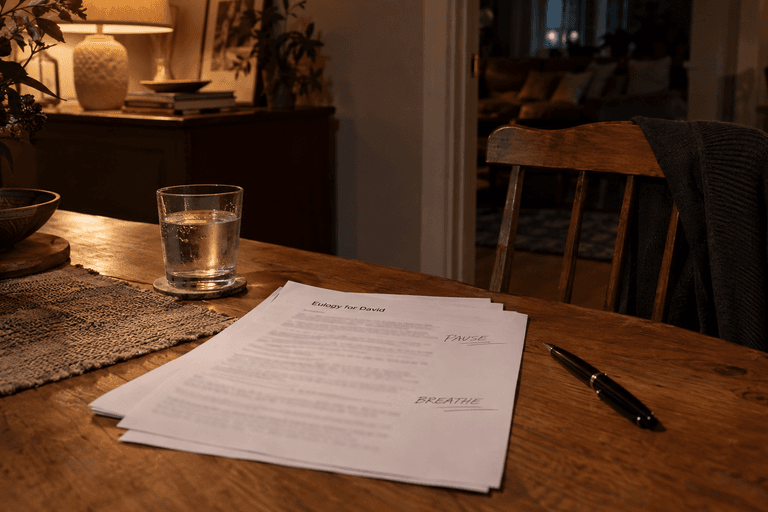
A one year death anniversary can feel heavy long before the date appears on the calendar. You may notice sharper memories, changes in sleep, or emotions arriving without warning. For some people, the most difficult moment comes on the anniversary itself. For others, it comes during the days before or after it.
You do not need to create a perfect tribute or turn the day into a formal event. A quiet cup of coffee, a visit to a meaningful place, or an ordinary day with fewer demands can all be valid choices. What matters is choosing something that fits your emotional capacity, values, relationships, and circumstances.
This guide can help you decide whether to gather with family, visit a grave, connect across distances, or make no special plans at all. It also explains why anniversary reactions happen and how the second year may feel different. Take what helps and leave the rest.
Key Takeaways
Plan lightly Choose a simple outline for the day instead of filling every hour.
Leave room to change Give yourself permission to cancel, shorten, or replace a plan.
Ask relatives what they need Different people may want company, privacy, ritual, or routine.
Choose one meaningful action One photograph, meal, song, visit, or story can be enough.
Include distant family if helpful A voice note or shared memorial can create connection without requiring a long event.
Allow yourself to do nothing There is no required ceremony and no correct emotional response.
Why the First Anniversary Hits Harder Than You Expect
The first anniversary may reactivate memories and stress even if you have been coping steadily. According to the American Psychological Association's guidance on anniversary reactions, an anniversary can bring back thoughts and feelings connected with the original event. Emotions may intensify as the date approaches, sometimes alongside sleep problems, irritability, difficulty concentrating, appetite changes, or detachment from other people.
This resurgence does not erase the progress you have made. UC Berkeley's guidance describes grief as a nonlinear process, so strong sadness, anger, or longing can return after a period of feeling steadier. The season, a certain quality of light, or a remembered conversation may also carry unexpected emotional weight.
A kinder response is to recognize that your mind and body may be responding to a significant date. Reduce demands where you can, tell trusted people what you need, and treat the surrounding days as part of the anniversary period. Your experience does not have to fit within one square on a calendar.
What to Plan for the First Anniversary of a Death
Plan an adjustable day, not a perfect tribute. Emotional capacity can change quickly. An activity that sounds comforting a week beforehand may feel exhausting that morning, while an unplanned conversation may become the most meaningful part of the day.
Choose one primary activity and treat everything else as optional. If you want words for a card, family message, or quiet reading, these death anniversary messages and remembrance ideas can help you find language without making the day more complicated. Keep the plan small enough that you can complete it gently, postpone it, or stop midway without feeling that you failed.
An Adjustable Six-Part Plan
Decide how much company you want
Choose between solitude, one trusted person, a small gathering, or a flexible mix of private and shared time.
Choose one primary activity
Make a meal, visit a meaningful place, light a candle, listen to music, or look through photographs.
Tell others what would help
Ask for a meal, a ride, a phone call, quiet company, or freedom from questions.
Protect time around the date
Reduce optional commitments before and after the anniversary if you can.
Make an exit plan
Decide how you can leave, end a call, or pause an activity if it becomes too much.
Check in with yourself
Ask what you need that morning and adjust the plan without apology.
Should the Family Be Together on the First Anniversary?
Being together can feel supportive, but it is not an obligation or a measure of love. Relatives may need different things on the same day. One person may want conversation and shared stories, while another may need privacy, routine, or only a brief check-in.
Ask what each person wants before settling the details. A flexible plan can include a short shared meal or remembrance window while allowing people to arrive late, leave early, join remotely, or observe the day privately. Clear choices reduce the pressure to perform grief in the same way.
Make Togetherness Flexible
Present the gathering as an invitation rather than a test of love. Tell relatives in advance that they may join remotely, leave early, skip a speaking turn, or remember privately. A smaller shared moment can be more supportive than an event everyone feels required to attend.
How to Hold a Small First Anniversary Gathering at Home
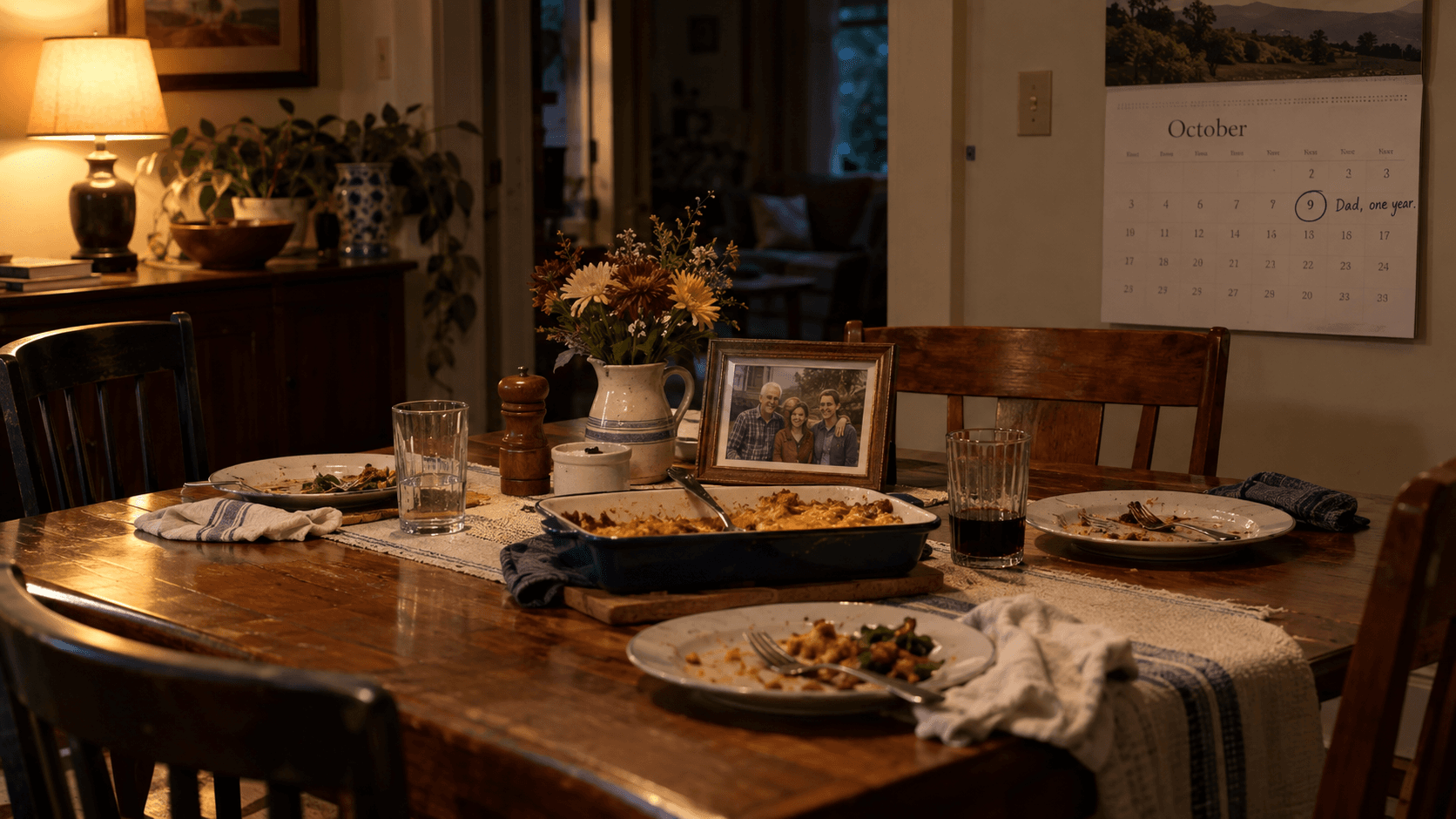
A small gathering works best when it has a clear beginning, a simple center, and a gentle end. Limit the guest list to people whose presence feels safe. Give guests a start and finish time, then explain that speaking, sharing, and staying for the entire gathering are optional.
Place a photograph, candle, flowers, or meaningful object in a central spot. You might serve one favorite meal, play a short playlist, or invite each person to share a brief memory. Avoid assigning everyone a speaking turn. Silence, listening, and stepping outside are also forms of participation.
Ask someone else to manage food, answer the door, or collect dishes. Keep a bedroom or quiet corner available for anyone who needs privacy. Practical help can ease the host's load. The Hospice Foundation of America recommends offering specific, concrete support, such as preparing meals, giving rides, or running errands, while avoiding pressure to join unwanted activities.
Close with one quiet action, such as extinguishing the candle, playing a final song, or thanking everyone for bringing a memory. A defined ending means the host does not have to decide when enough is enough while emotions are high.
What to Do at the Grave on the First Anniversary
A grave visit can be as simple as standing quietly for a few minutes. Before leaving home, check the cemetery's current hours, accessibility information, weather conditions, and rules for flowers or objects. As of 2026, National Park Service cemetery policy requires location-specific restrictions and operating hours to be published or posted. Review the location's current information rather than assuming an item is permitted.
You might bring permitted flowers, read a short letter, share one memory aloud, or sit nearby without speaking. If you want to clean a government-furnished marker, obtain permission first. As of 2026, the National Cemetery Administration's marker-care guidance warns that improper cleaning can accelerate deterioration. It recommends water and a soft natural or nylon bristle brush for most markers, prohibits power washing, bleach, strong acids, and strong bases, and advises against cleaning severely cracked or eroded markers.
You do not have to visit a grave if the trip is impractical, the relationship was complicated, or the setting does not feel comforting. A balcony planter, window box, or quiet corner can offer a private alternative. You could also consider planting a living tribute in their honor. The meaning comes from the act of remembrance, not the location.
Ways to Honor a First Anniversary When the Family Is Spread Out
Distance does not require a long or formal video event. Choose one shared time when each person can pause wherever they are. Family members might light a candle, prepare the same meaningful recipe, listen to one song, or step outside for a few quiet minutes.
For a more personal exchange, invite voice notes, photographs, or short stories over several days. This removes the pressure to speak at a fixed time and can make participation easier across time zones. Each person can contribute in a way that feels natural.
A collaborative memorial page gives everyone one place for these contributions before, during, and after the anniversary. You can create an online memorial for shared stories and photographs that relatives can visit when they are ready. For current feature and plan details, review the memorial plan options. This flexible approach can include people whose work, caregiving, travel, time zone, or emotional readiness makes a live call difficult.
What If You Do Not Want to Do Anything at All?
You are allowed to let the day pass without a ceremony, gathering, grave visit, or public post. Resting, following your usual routine, turning off your phone, or changing your plans at the last moment can all be thoughtful ways of caring for yourself.
If other people expect a plan, a brief message can set a boundary: “I am keeping the day quiet and will not be gathering, but I appreciate you remembering.” You do not owe anyone a detailed explanation. Choosing privacy does not diminish the relationship or the importance of the person you are remembering.
There is no required emotion for the anniversary. You may feel grief, warmth, anger, relief, numbness, or several feelings at once. If distress becomes severe, persists, or affects your safety, seek support from a licensed mental health professional or emergency services in your area.
How the Second Year Is Different From the First
The second year is not automatically easier. The sequence of first birthdays, holidays like the first Thanksgiving without them or the first Christmas without them, and anniversaries has ended, but changed routines and everyday absences remain. Support from others may also feel different as more time passes.
Some people feel steadier during the second year. Others feel more isolated, surprised, or tired. The Hospice Foundation of America explains that grief has no predictable timeline or script. Your experience does not need to match anyone else's, including your own experience during the first year.
After this anniversary, consider writing down what helped, what felt difficult, and what you might change. Keep the note descriptive rather than prescriptive. It is a record of what supported you this year, not a contract for next year. When the next anniversary approaches, you can read it and decide again.
Create a Place Where Everyone Can Remember
Create an online memorial where family and friends can add photographs, stories, videos, and messages before or after the anniversary, even when they cannot gather in person.
Create a MemorialWhat is the first anniversary of a death called?
It is commonly called the first death anniversary, one year death anniversary, or anniversary of a person's passing. Some cultures and faith traditions use their own names and observances. Use the language that feels most natural and respectful to your family.
What should you say to someone on the anniversary?
Keep it simple and name the person if that feels appropriate. You might say, “I am thinking of you and remembering Maya today,” or “There is no need to reply. I wanted you to know I remember.” Avoid asking the recipient to comfort you or explain how they are coping.
Is it appropriate to send flowers?
Yes, if flowers suit the recipient's preferences, culture, and circumstances. A small arrangement with a brief note may be enough. You could also offer a meal, donate to a meaningful cause, or send a message without a gift.
Should you post a remembrance online?
Post only if sharing feels right and respects the family's privacy. A photograph and one specific memory can feel more personal than a broad announcement. You may also share within a private family group or memorial page instead of using a public account.
What if family members want different plans?
Do not require one plan to meet every need. Create a short shared activity, then allow relatives to continue privately, leave early, or remember in another way. Ask what each person hopes to receive from the day before discussing details.
Is it normal to feel worse before the date?
Anniversary distress can begin before you consciously connect it with the date. The National Center for PTSD explains that anniversary reminders can produce varied emotional, physical, and cognitive reactions. Consider reducing demands and telling trusted people what support would help. Seek qualified professional support if the distress becomes severe, persists, or affects your safety.
Sources
- American Psychological Association, Anxiety, sadness may increase on anniversary of a traumatic event
- University of California, Berkeley University Health Services, Navigating Grief and Loss
- Hospice Foundation of America, Supporting a friend or loved one
- U.S. National Park Service, Director's Order #61: National Cemetery Operations
- U.S. Department of Veterans Affairs, National Cemetery Administration, Cleaning Government-Furnished Headstones and Markers
- U.S. Department of Veterans Affairs, National Center for PTSD, Trauma Reminders: Anniversaries
Lovekept's guides are drafted with AI against briefs written by the Lovekept team. Abdullah Nabeel, the founder, is the blog's editor. Read how we produce and correct content at /editorial-standards.