Death Anniversary Ideas and Remembrance Messages
Thoughtful death anniversary ideas and remembrance messages to honor a loved one, with gentle ways to remember them and self-care tips for the hard day.

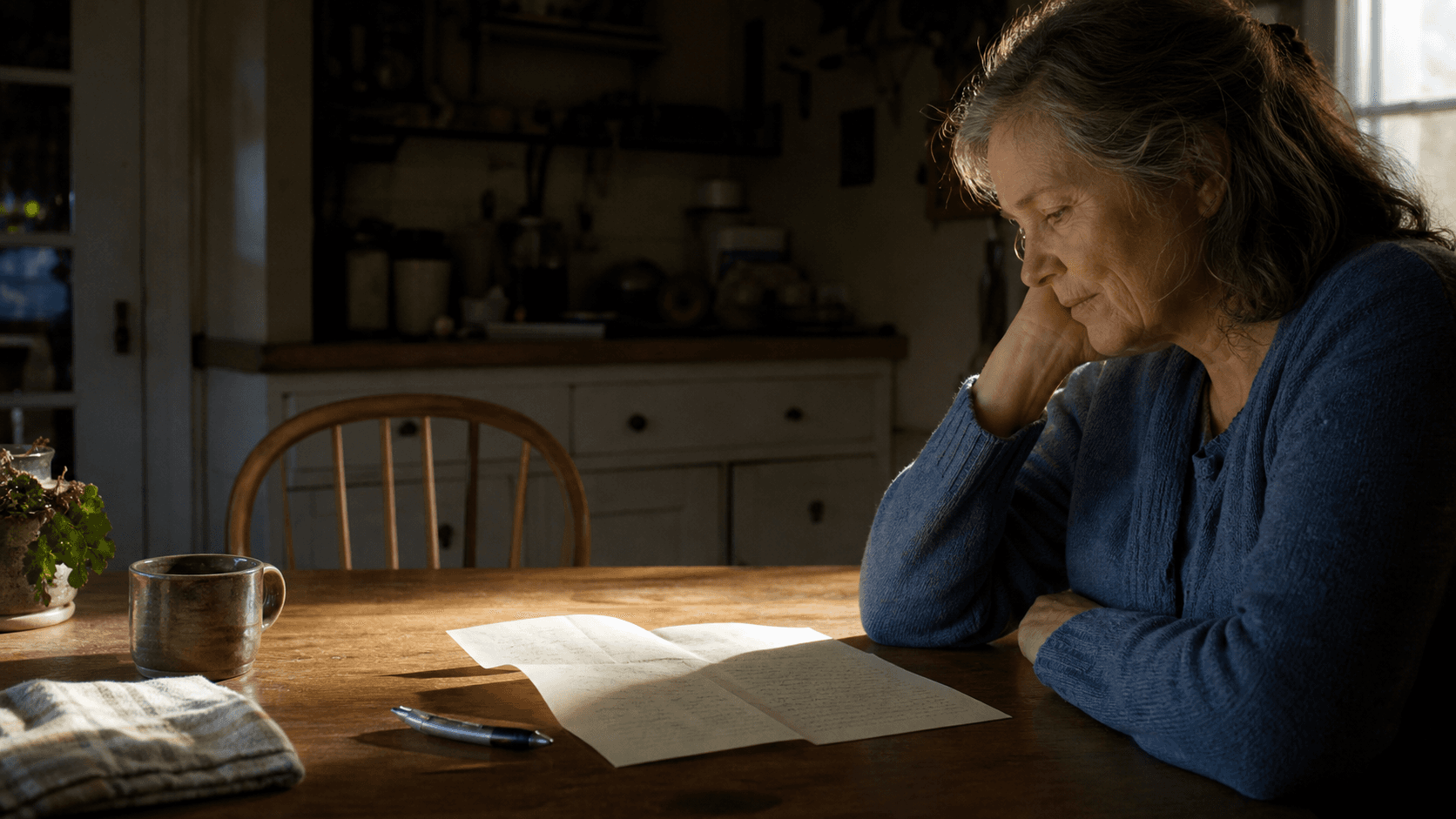
There's a particular kind of quiet that settles in when a death anniversary reappears on the calendar, the one day you both dread and can't help but circle. Maybe it caught you off guard this year, tucked between an ordinary Tuesday and a grocery list. Or maybe you've felt it approaching for weeks, watching it draw closer the way you'd watch a storm gather on the horizon.
A death anniversary is simply the yearly return of the day someone you love left this world. But calling it "simple" undersells what it actually does to a person. Grief counselors often describe anniversary reactions as a normal, predictable wave: a surge of sadness, memory, or unease that rises around this date even when the rest of the year has felt more settled. It doesn't mean you've regressed. It means you loved someone, and love has a memory of its own.
In our work helping families remember loved ones, we've noticed something that surprises many people: the days leading up to the anniversary are often harder than the day itself. The anticipation, the bracing, the wondering how you'll feel, that's frequently where the heaviest weight sits.
This guide is here to walk with you through both the lead-up and the day, with remembrance messages you can borrow, meaningful ways to mark the occasion, and gentle care for yourself when it arrives. There is no single right way to do this. There's only the way that feels true for you.
Key Takeaways
Anniversary grief is normal it often arrives in waves, sometimes triggered by the days beforehand rather than the date itself.
A simple, honest message matters most you don't need perfect words, just genuine ones that name your loved one.
Small rituals bring real comfort lighting a candle, writing a letter, sharing a meal, visiting a place, or planting a tree in their honor.
The first anniversary often needs extra planning having even a loose outline for the day can ease the dread of it.
You don't have to carry the day alone involving family and caring for yourself both ease the isolation of remembrance.
What to Say on the Anniversary of a Death: Messages to Send and to Post
Most people go quiet around a death anniversary. They worry that mentioning the day, or the person, will reopen a wound that's finally started to close. But grief specialists consistently find the opposite is true: naming your loved one and acknowledging the day brings comfort, not pain. Silence can feel like the person has been forgotten, which is often the last thing a grieving friend wants to feel on this particular date.
Private Messages to Send Someone Who Is Grieving
These work well as a text, a card, or a quiet word before or after the day itself. Swap in real names and details so they sound like you.
- "Thinking of you today, and of [Name]. Sending you so much love."
- "I know today is hard. I'm here if you want to talk, or if you'd rather just sit quietly together."
- A death anniversary message for a friend: "[Name] was so lucky to have you. I'm remembering them with you today."
- "No words fix today, but I want you to know I remember [Name] too, and I'm thinking of your family."
- "Today carries a lot. I'm not going anywhere, whatever you need."
- "I lit a candle for [Name] this morning. Holding you close today."
Public Remembrance Messages for a Death Anniversary
These work well for a social media tribute, a memorial guestbook, or a shared family group thread.
- "One year ago today, we said goodbye to [Name]. Their laughter still echoes in every room they loved."
- "Missing [Name] today and every day. Grateful for the years we had and the memory that never fades."
- "On this day, we remember [Name]: a loving parent, a steady friend, a light we still carry."
- "Today marks [Name]'s death anniversary. We celebrate the life you lived and the love you left behind."
- "A year has passed, but the love hasn't gone anywhere. Thinking of [Name] today."
- "In memory of [Name], gone from our sight but never from our hearts."
If you're looking for ways to mark the occasion beyond words, our guide to meaningful ways to honor a loved one who has passed away offers additional ideas for tributes that go beyond a single message.
“What we once enjoyed and deeply loved we can never lose, for all that we love deeply becomes a part of us.”
Ways to Honor Someone on Their Death Anniversary
Grief support specialists often recommend small, sensory rituals on a day like this, actions that engage the senses rather than only the mind, because grief is felt in the body as much as in thought. These rituals make remembrance feel active rather than only sorrowful, giving your hands and your day something gentle to hold onto.
Below are five ideas many families return to, whether that means planting a tree in their honor as a living tribute or choosing something quieter and more private. Pick whichever feels most like the person you're remembering, or the person you are right now.
Five Meaningful Rituals
Visit a Meaningful Place
Return to a spot that held meaning for them, a favorite park, their childhood home, or the place you said goodbye.
Write a Letter to Them
Put into words what you'd tell them if they were here, the ordinary updates as much as the unspoken feelings.
Light a Candle at a Set Time
Choose a specific hour, perhaps the time they passed, and pause together in the quiet light.
Cook or Share Their Favorite Meal
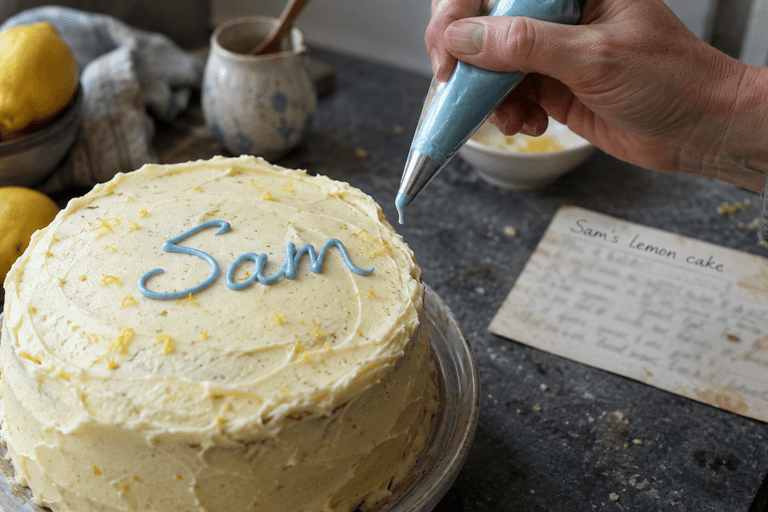
Gather around the recipe they loved, letting taste and smell carry memory the way words sometimes can't.
Plant a Tree or Living Memorial
Give their memory a place to keep growing, a living tribute that changes with the seasons the way memory does.
First Death Anniversary Ideas: The Hardest Milestone
The first death anniversary tends to carry a particular kind of intensity that later years rarely repeat in quite the same way. It's not just the date itself, it's the string of firsts that led up to it: the first birthday without them, the first holiday, the first ordinary Tuesday you reached for the phone before remembering. Grief counselors generally observe that this cluster of firsts, culminating in the one-year mark, carries a weight all its own.
Because of that, it often helps to have at least a loose outline for the day, sketched out ahead of time rather than decided in the moment. You don't need a rigid schedule. You need enough of a plan that you're not left improvising while already emotionally depleted.
Some families repeat a ritual their loved one cherished: a favorite hike, a particular recipe, a certain song played at a certain hour. Others take the day off entirely, clearing work and obligations so there's room to simply feel whatever arrives. Still others host a small memorial gathering, inviting close family or friends to share memories over a meal. There's no formula here, only options worth considering.
Whatever you choose, know there is no right or wrong way to mark this milestone. Some people need the day to be quiet and private. Others need people around them. Both are reasonable responses to the same loss, and neither one says anything about how much you loved the person you're remembering.
Involving Family: Remembering Together
Grief has a way of making a room feel smaller, even when it's full of people who loved the same person you did. Families working through loss frequently find that grieving together, even for just a few minutes, lightens the weight of an anniversary that might otherwise feel unbearable alone.
A shared phone call with a sibling who lives across the country. A dinner where everyone contributes their favorite dish tied to your loved one. A small gathering where each person offers one memory, out loud or written on a card. None of this requires elaborate planning. It only requires the willingness to show up for each other.
Not everyone in a family grieves the same way, and that's worth naming rather than fighting. One person might want to talk about your loved one all day, while another might need quiet or a bit of distance. Neither approach is wrong. The gentlest thing you can offer each other is permission: to cry, to laugh, to step outside for air, or to simply not be ready to talk yet.
If your family is scattered, or you're simply looking for inspiration, it can help to see how other families remember their loved ones, whether that sparks an idea for your own gathering or simply reminds you that you're not navigating this alone.
Sharing Memories Online: A Living Tribute
For families spread across cities, states, or countries, gathering in person on a death anniversary isn't always possible. This is where an online memorial becomes more than a convenience. It becomes a living tribute, a shared space where relatives and friends can add stories, photos, and messages no matter where they're standing on the day.
What sets a lasting tribute apart is that it isn't limited to a single anniversary. A photo someone posts this year sits alongside a memory shared five years from now, building a fuller picture of a life than any one person could hold on their own. Nothing gets buried in an old phone or a folder no one opens again.
When families come to us after a loss, one wish comes up again and again: a single, lasting home for everyone's memories, rather than photos and stories scattered across group chats and social feeds that fade from view within a week. A permanent online tribute solves that quietly, so the remembering doesn't depend on anyone recalling where they saved something.
If you don't already have a place like this for your loved one, creating a lasting online memorial can give your family exactly that: one address to return to, this anniversary and every one after it.
Create a Lasting Place to Remember
Give your family and friends one gentle place to gather memories, photos, and messages, on this anniversary and every year after. Every memorial on Lovekept includes a real tree planted in your loved one's honor, a living tribute that keeps growing alongside your memories.
Create a MemorialTaking Care of Yourself on the Day
Self-care on a death anniversary isn't indulgent, it's necessary. Clearing your schedule where you're able, even for just a morning or an afternoon, gives you room to feel what the day brings instead of pushing through it on autopilot.
Let your emotions arrive without judging them. Tears might come during a meeting, or you might feel strangely fine and then guilty about feeling fine. Both are normal. Mental health professionals advise treating grief anniversaries with the same gentleness you'd offer a friend going through the same thing, rather than holding yourself to some tougher standard.
Lean on someone who understands, whether that's a friend who also loved this person, a family member, or a grief counselor if the day feels like more than you can carry alone. And build in one small comforting thing: a favorite tea, a walk outside, a familiar movie, something that asks nothing of you except to receive it.
Some years will hurt more than others, even a decade in. A milestone birthday, a wedding, the birth of a grandchild the person never met, these can all reawaken the ache unexpectedly. That's not a setback in your healing. It's simply what love does when the person it's attached to is no longer here to receive it directly.
A Gentle Reminder
There is no timeline for grief and no wrong way to remember someone you loved. Some years will feel heavier than others, and that's okay. Reaching out for support, whether to a friend, a family member, or a grief counselor, is a sign of strength, not weakness. Whatever you feel today, you have permission to feel it.

Abdullah Nabeel
Abdullah Nabeel is the founder of Lovekept, which he built after his own experience with loss to give families a lasting place for the people they love.