Meaningful Ways to Honor a Loved One Who Has Passed Away
Discover meaningful ways to honor a loved one who passed away, from living memorials and keepsakes to digital tributes. Find the tribute that feels like them.

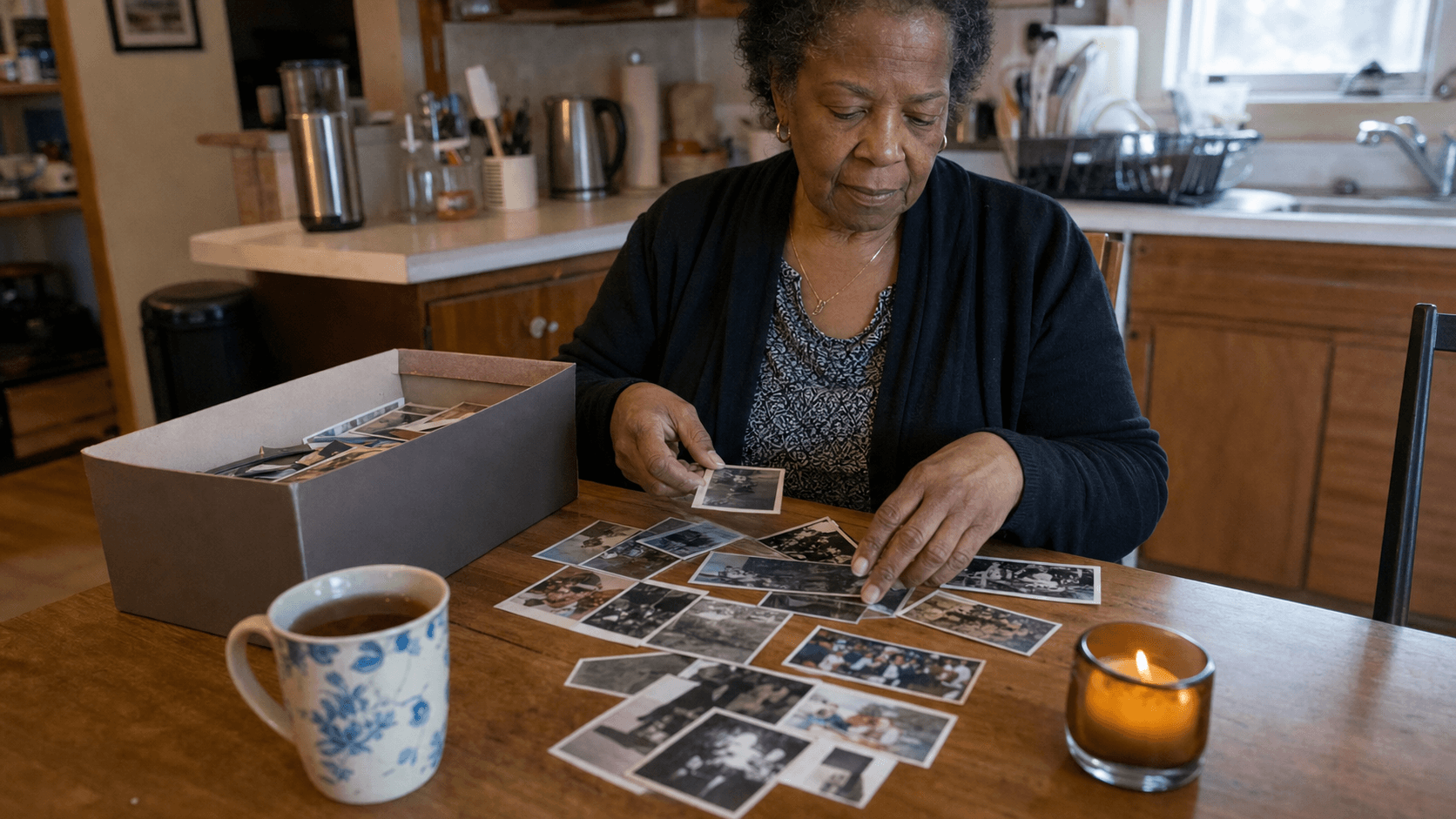
What do you do with all that love, now that the person who used to receive it is gone?
That question sits quietly behind so much of grief. It is not really about grand gestures or perfect ones. It is about finding somewhere to put a feeling that has nowhere left to go, at least not in the way it used to.
If you are here because you are searching for meaningful ways to honor a loved one who has passed away, you are not alone in that search, and you are not too late or too early to begin. There is no single correct tribute. Some families plant something that grows. Others create something that can be shared, touched, or read again and again. Still others find comfort in showing up for causes their loved one cared about, or in marking quiet, personal rituals that only make sense to them.
This guide walks through many of those paths: living memorials, keepsakes, digital tributes, community and charitable giving, anniversaries and rituals, sensory traditions like music and food, and ideas tailored to a person's unique passions. You do not need to choose just one. Many families find that a tribute grows, layer by layer, as their grief changes shape over the months and years.
Before you decide anything, it can help to simply see how other families are remembering their loved ones and notice what resonates, what feels too formal, and what feels like something your person would have actually wanted.
Let's start with what matters most: choosing a tribute that feels true to who they were.
Key Takeaways
There is no single right way to honor someone. What matters is that the tribute feels true to who they were.
Tributes can take many forms living, physical, digital, or communal, and many families choose more than one.
Meaningful matters more than expensive the most treasured tributes are often simple, personal, and free.
Small daily rituals support healing lighting a candle, cooking a favorite meal, or saying their name keeps connection close.
A tribute can grow over time an online memorial, a garden, or a scholarship can all be added to for years to come.
Grief has no timeline you can choose, change, or add to a tribute whenever it feels right.
How to Choose Meaningful Memorial Ideas That Are Not a Headstone
Most guides on this subject begin and end with a gravestone or plaque, as though a single stone could hold everything a life meant. In our experience helping families choose ways to remember someone, the tributes that actually support healing are usually the ones woven into everyday life, not just visited once a year at a cemetery.
That does not mean a headstone is wrong. It simply means it is only one option among many, and often not the one that feels most alive.
So how do you choose? Grief counselors generally recommend starting with three questions rather than a checklist of ideas. First, what did this person value? Someone who loved being outdoors may be better honored by a tree or a garden than by a plaque. Second, how do you and your family want to interact with the tribute? A physical keepsake works well for people who find comfort in holding something, while a digital memorial suits families spread across cities or countries who want a shared space to return to. Third, what do you have the capacity for right now? A tribute does not have to be finished this month, or even this year.
One thing that consistently surprises people planning a memorial is how much relief comes from giving themselves permission to choose something small and personal over something that looks impressive to others. A quiet Sunday ritual of cooking their favorite meal can hold just as much meaning as an elaborate memorial garden, sometimes more, because it happens again and again.
If your family is planning a gathering to celebrate their life, that same framework applies. Choosing music, food, and stories that reflect who they actually were, rather than what a proper service is supposed to look like, tends to feel far more true. Our guide to creating an online memorial covers how to gather those songs, photographs, and stories in one place the whole family can add to.
Whatever you choose, let it be shaped by them, not by what you think a memorial is supposed to look like.
At a Glance: Comparing Meaningful Ways to Honor a Loved One
If you are short on time or simply want a quick overview before committing to one idea, this comparison offers a bird's eye view of the categories covered in this guide. Skim it, then jump ahead to whichever category speaks to you.
Living Memorial Ideas: Trees and Gardens
There is something quietly powerful about a tribute that keeps growing after the person is gone. A living memorial does not stay the same from one year to the next. It puts down roots, weathers seasons, and gets fuller with time, much like memory itself.
Planting a memorial tree is one of the most enduring ways to do this. A tree planted in someone's honor becomes a place to visit, a source of shade for the next generation, and a quiet reminder that life continues, even alongside loss. Many families choose to plant a real tree in their honor as part of a broader tribute, so that the digital and the living exist side by side.
A remembrance garden offers similar comfort, especially for someone who loved to garden themselves. You might choose their favorite flowers, a plant that blooms around their birthday, or a mix of perennials that return every spring without needing to be replanted. Tending that garden, even just for twenty minutes on a Saturday morning, can become its own small ritual.
Other families dedicate a bench in a park, along a favorite trail, or outside a place the person loved to visit. A bench invites the community to sit, rest, and notice a small plaque, extending the tribute beyond just those who knew them personally. If a full tree or garden feels like too much right now, even tending a single favorite houseplant in their memory can carry the same quiet symbolism on a smaller scale.
What makes living memorials so comforting to many families is the sense of continuity they offer. A stone marker stays fixed. A tree grows, sheds leaves, and grows again, year after year, echoing the truth that love does not stop simply because a life has ended. For a deeper look at these ideas, our complete guide to memorial tree planting covers the options in more detail.
“To live in hearts we leave behind is not to die.”
Keepsakes to Keep Them Close: Jewelry, Quilts, and Memory Boxes
Some forms of remembrance ask to be held, not just looked at. Keepsakes give grief somewhere physical to land, whether that is a piece of jewelry you touch throughout the day or a quilt you wrap around your shoulders on a hard night.
Memorial jewelry is one of the simplest starting points. A locket with their photo, a pendant that holds a small amount of ash, or a ring engraved with their handwriting or a meaningful date can become something you wear daily, carrying them with you into ordinary moments. Many jewelers now offer custom pieces made specifically for this kind of tribute, so you do not need to search far to find one that fits.
A quilt or pillow made from a loved one's clothing turns something practical into something deeply comforting. A flannel shirt they wore every weekend, a favorite sweater, or a stack of well-loved t-shirts can be stitched into a blanket that still, in some small way, feels like them. This project does not need to happen right away. Many families wait months or even years before they feel ready, and that is perfectly fine.
A memory box is another gentle starting point, and one of the easiest to begin today. Gather letters, ticket stubs, handwritten notes, a favorite recipe card, or small objects that carry a story, and simply place them somewhere safe. There is no wrong way to fill it. Some families add to their memory box for years, which is part of what makes it feel alive rather than finished.
A shadow box takes this a step further by displaying a few chosen objects, like a watch, glasses, or a small collection of photographs, in a frame you can hang and see every day. Grief counselors often find that clients feel real comfort in objects they can touch and hold, rather than only images they can view. If you are wondering where to begin with clothing specifically, start small. One shirt, one scarf, one worn-in pair of gloves is enough for a first project, and the rest can wait until you are ready.
Digital Tributes: Online Memorials, Memory Books, and Video
Not every tribute needs to live on a shelf or in a garden. Some of the most lasting ways to remember someone today live online, where distance and time zones do not get in the way of contributing a memory.
An online memorial page is one of the most flexible digital tributes available. Rather than a single person carrying the responsibility of preserving every story, a collaborative memorial invites friends, family, coworkers, and neighbors to add their own photos, memories, and messages over time. Families frequently tell us that some of the most meaningful additions come from people they did not expect to hear from, like an old coworker or a childhood friend who remembered a detail no one else did. You can build a collaborative online memorial that stays open for contributions for as long as people want to keep adding to it.
A memory book, whether printed or kept digital, gathers those same stories into something you can page through slowly. Some families create one chapter at a time, adding new entries around birthdays or holidays rather than trying to finish it all at once.
A tribute video set to their favorite music offers a different kind of comfort, one built around motion and sound rather than stillness. Watching old clips, photographs fading in and out, set to a song they loved, can bring both tears and unexpected laughter in the same few minutes.
Writing the life story that anchors these tributes is often the hardest part, especially in the early weeks after a loss when finding the right words feels impossible. Our obituary writer uses AI assistance to help you draft their life story from a few basic details, so you are not staring at a blank page during an already difficult time. What makes a digital memorial especially valuable is permanence: unlike a physical space that can be moved or forgotten, an online memorial keeps memories accessible for generations, ready to be found and added to by people not yet born.
Creating an online memorial sounds like it should be complicated, but it is designed to be simple enough for anyone to do, regardless of how comfortable you are with technology. Here is what the process looks like when you start your memorial from scratch.
How to Create a Lasting Online Memorial
Gather photos and memories
Collect photos, favorite stories, and small details that capture who they were, from childhood pictures to more recent moments.
Write their life story
Use guided obituary help to turn scattered memories into a life story, or write it yourself at your own pace.
Personalize the memorial page
Choose a theme, add a favorite quote, and set the tone so the page feels like them rather than a template.
Invite family and friends
Send the memorial link to loved ones so they can add their own photos, stories, and messages over time.
Share the memorial
Post the link, include it in a printed program, or add it to a physical marker so more people can find it.
Let it grow with time
Return whenever you like to add new photos, mark an anniversary, or read through messages left by others.
Begin a Tribute That Grows With Time
Pair a permanent online memorial with a real tree planted in their honor, so their tribute keeps growing long after today.
Create a MemorialCommunity and Charity: Scholarships, Donations, and Volunteering
For many families, the most comforting tributes are the ones that reach beyond their own household and touch other people's lives. Turning grief outward, toward a cause the person cared about, can offer a sense of purpose that a purely private tribute sometimes cannot.
Starting a memorial scholarship is one way to do this, especially for someone who valued education, mentorship, or a particular field of study. Scholarships can be modest, even a single small award given once a year at a local school, and they carry the person's name and values forward into the lives of people who never got to meet them.
Requesting donations to a cause your loved one supported, whether an animal shelter, a hospital, a place of worship, or an advocacy organization, is one of the most common ways families redirect grief into something constructive. It also gives friends and extended family, who often want to help but do not know how, a concrete way to participate. Our obituary checklist covers how to word that request in the obituary itself, so people know exactly where to give.
Volunteering in someone's name keeps their values active in the world rather than only remembered in the past tense. If they spent Saturday mornings at a food pantry, coaching a youth team, or reading to children at a library, showing up in their place, even occasionally, becomes a living continuation of what they cared about.
A community fundraiser, whether a walk, a bake sale, or an online campaign, brings people together around a shared sense of loss and shared action. These events can be small and informal or larger and more organized, depending on what feels manageable for your family. What many people find, often to their surprise, is that giving in someone's name brings a different kind of comfort than a private tribute does. It says, in a very tangible way, that their values did not end when their life did.
Rituals and Anniversaries: Ways to Honor a Loved One on Their Birthday
Certain days on the calendar carry more weight than others. A birthday, the anniversary of their passing, or a holiday that used to revolve around them can bring grief back to the surface in ways that catch you off guard, even years later.
Rather than dreading those dates, many families find it helps to plan something small and intentional for them in advance. Lighting a candle at the same time each year, cooking their favorite meal, visiting a place that meant something to them, or writing them a letter you never intend to send are all simple ways to give the day a shape, rather than letting it feel shapeless and heavy.
Across cultures and spiritual traditions, marking anniversaries in some form is one constant. Many religious and cultural practices set aside specific days, whether weeks, months, or a full year after a loss, to gather, remember, and honor the person by name. Even in families without a formal tradition, an informal version of this often emerges naturally: a phone call between siblings every year on the anniversary, or a shared photo posted on what would have been their birthday.
Holidays deserve their own gentle attention, since they tend to arrive with built-in expectations about who should be at the table. The first Thanksgiving, first winter holiday season, or first birthday without them is often the hardest, and it is completely reasonable to change traditions rather than force everything to look the way it used to. Some families set an extra place at the table. Others choose to spend the day somewhere entirely new. If the holidays feel especially heavy this year, our guide to death anniversary ideas and remembrance messages offers more ways to mark the hard dates on your own terms.
There is no need to get every date right. What matters is choosing to pause, even briefly, and let yourself remember on purpose.
A Year of Remembrance: Anniversaries and Milestones to Mark
If it helps to see these moments laid out across a full year, here is a general look at occasions when many families pause to remember, along with one small way to mark each one. Use whichever apply to your family and skip the rest.
- Memorial Day: for loved ones who served, visit a memorial site, fly a flag, or share a story about their service.
- The changing of the seasons: notice the first bloom of spring or the first fallen leaf and let it remind you of them.
- Their birthday: bake their favorite cake, share a memory out loud, or gather the people who loved them most.
- Thanksgiving: share a favorite memory around the table, or cook a dish that was always theirs to make.
- The anniversary of their passing: light a candle, visit a meaningful place, or simply say their name out loud.
- The end of the year: reflect on the year that has passed and write down what you want to carry forward in their memory.
Recipes, Music, and Playlists That Bring Them Back
Grief has a way of living in the senses. A certain song on the radio, the smell of a dish simmering on the stove, or a particular perfume in a crowded room can bring someone back to you for a moment, sharp and immediate, in a way that photographs sometimes cannot.
Cooking a signature family recipe is one of the most powerful sensory tributes available, precisely because taste and smell are so closely tied to memory. Making their pot roast, their holiday cookies, or the one dish only they knew how to season correctly keeps a small piece of them present at your table. Many families find that the first attempt is imperfect and the second gets closer, and that the process of trying again becomes its own quiet ritual.
A playlist of songs they loved offers a similar kind of comfort through a different sense. Compiling it can be an emotional task at first, but many people find that over time, hearing those songs shifts from painful to genuinely comforting, even joyful. Some families play the playlist during a meal in their honor, on a road trip they used to take together, or simply while doing chores around the house.
Hosting a meal in someone's memory, whether on their birthday or simply on an ordinary Sunday, combines both of these ideas at once. Cook what they loved, play what they loved, and let conversation turn naturally toward stories about them. These gatherings do not need to be somber. Laughter is not a betrayal of grief. It is often a sign that love is still very present in the room.
If you are planning a larger gathering to celebrate their life, weaving music they loved into the event, whether as background during a reception or as a moment where everyone listens together, can turn a formal service into something that feels genuinely personal. Build the rest of the gathering the same way, around the specific things that made them who they were rather than around a template.
Unique Ways to Remember a Loved One, Shaped by What They Loved
Some of the most unique ways to remember a loved one come straight from the things that made them who they were. A person is so much more than the dates on a calendar. They are the hobby they lost whole afternoons to, the team they never stopped cheering for, the trip they told the same stories about for years. A tribute built around those specifics tends to feel far more like them than anything generic ever could.
Use the ideas below as starting points rather than a checklist. Take the ones that fit the person you are remembering, leave the rest, and let them spark something that is entirely your own.
Creative Tribute Ideas for a Loved One, by Interest or Hobby
For the Gardener
Plant a garden bed with their favorite flowers, or dedicate a corner of your yard to the plants they loved most.
For the Musician
Create a playlist of their favorite songs, or donate an instrument to a school music program in their name.
For the Avid Reader
Donate books to a local library in their name, or start a small book club around titles they loved.
For the Traveler
Retrace a trip they cherished, or display a map marking the places that meant the most to them.
For the Sports Fan
Wear their favorite team's colors on meaningful dates, or attend a game in their honor.
For the Cook
Compile their recipes into a keepsake cookbook to share with family and friends.
For the Artist
Frame and display a piece of their artwork, or let their creative style inspire a memorial project.
For the Animal Lover
Donate to an animal shelter in their name, or sponsor an animal at a sanctuary they would have loved.
There Is No Wrong Way to Remember Them
There is no timeline for grief and no single correct tribute. Choose whatever feels most like them, not whatever looks most impressive to others, and let your tribute change as your grief does. What feels right this year may look different in five years, and that is not a failure. It is simply love continuing to find new shape.
Low-Cost and No-Cost Ways to Remember a Loved One
If cost has been on your mind while reading through these ideas, you are far from alone. Funerals and memorial services are already expensive, and it is completely reasonable to want a tribute that does not add financial strain during an already difficult time.
The good news, and something worth repeating, is that the most treasured tributes are often the simplest ones. Writing a letter to your loved one costs nothing but time, and many people find it surprisingly cathartic to put into words the things they never got to say. Sharing a story about them, whether at a family dinner or in a comment on someone else's memory, costs nothing and often prompts someone else to share a story you had never heard.
Creating a free online memorial is another accessible starting point. You do not need a large budget to build a page where family and friends can gather to share photos and memories, and you can always start with a free memorial and add features later, so cost never has to be the reason you delay honoring someone.
Taking a walk in a place that meant something to them, whether a favorite park, their old neighborhood, or a trail they loved, is a free ritual that connects you to their memory through your own body and senses. Planting seeds, even a small pot of herbs or wildflowers on a windowsill, mirrors the living memorial idea on the smallest possible scale.
None of these ideas require a special occasion or a large gesture. A five-minute phone call to share a memory with a sibling, or ten minutes spent looking through old photos, counts just as much as an elaborate tribute. Grief does not grade on effort or expense. It responds to sincerity.
Plant a Living Tribute in Their Honor
A tree planted in their name grows season after season, offering a quiet, living place to return to whenever you want to remember them.
Plant a Tree in Their HonorCarrying Their Memory Forward
Honoring someone you love is not a task you complete and check off. It is closer to an ongoing conversation, one that continues in small moments long after the funeral flowers have faded and the sympathy cards have stopped arriving.
Maybe that looks like a tree you planted together as a family, now tall enough to sit under. Maybe it is an online memorial that a cousin added a photo to last week, or a recipe you finally worked up the courage to make on your own. Maybe it is simply saying their name out loud more often than you used to.
You do not need to choose the right tribute today, or even this year. What matters is starting somewhere, with whatever feels honest to who they were and who you are without them. Let it be imperfect. Let it change as you change. Grief and love are not opposites, and the tributes that hold both tend to be the ones that last.
If you would like to keep exploring, our collection of guides on remembrance and tribute ideas covers many of these paths in more depth, from planning a celebration of life to navigating specific holidays and anniversaries. Take whatever piece of this feels right for you today, and trust that the rest can come later.
Their story is not over. You are still writing it, one small act of remembrance at a time.

Abdullah Nabeel
Abdullah Nabeel is the founder of Lovekept, which he built after his own experience with loss to give families a lasting place for the people they love.