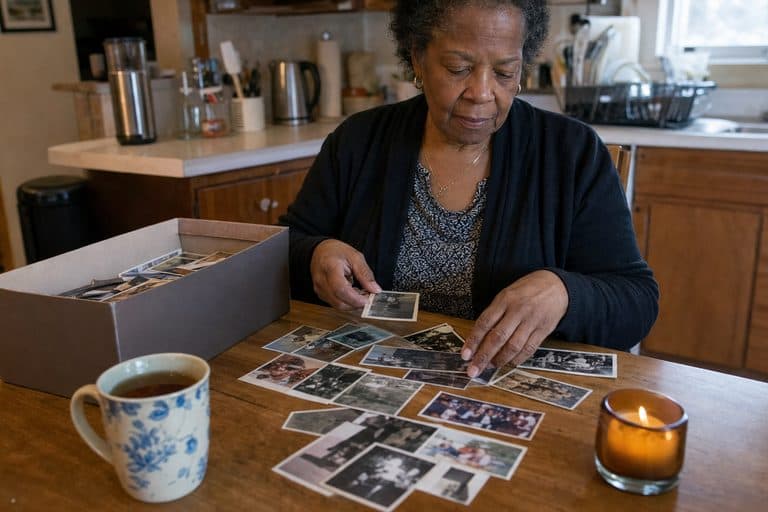
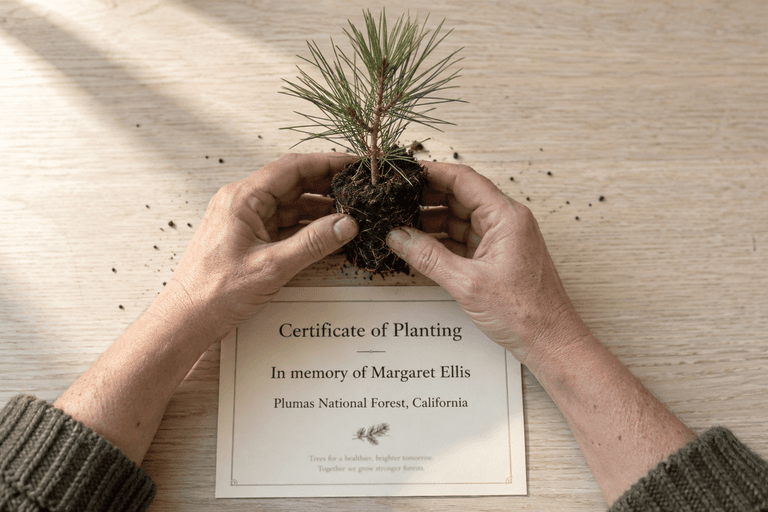
Memorial Garden Ideas for Small Spaces
Explore memorial garden ideas for small yards and balconies, including thoughtful guidance on plants, plaques, ashes, containers, and lasting care.
A Memorial Garden Can Begin With One Meaningful Corner
Perhaps you have already noticed the corner. It may be a patch beside the porch where morning light gathers, an empty planter on a balcony, or a quiet place beneath a window. You can imagine a familiar flower there, opening in the season when you think of your loved one most.
The most meaningful memorial garden ideas do not depend on having a large yard or creating an elaborate landscape. A tribute can begin with one container, a small bed, or a single plant chosen with care. Its significance comes from the memory it holds, not the ground it covers.
Before considering stones, benches, or planting plans, begin with one personal memory. Think about a favorite color, a flower that once grew near their home, the scent of an herb they used in the kitchen, or the season they loved. That memory can become the garden's organizing idea.
Give yourself permission to begin modestly. A garden can change as grief changes, gaining a plant, a photograph, or a handwritten memory over time. What matters at the beginning is choosing a place where remembrance feels welcome and where caring for the space can become a gentle ritual rather than another demand.
Key Takeaways
Understand the site Observe the available light, soil, drainage, wind, and usable space before buying plants.
Choose for local conditions Select plants suited to your climate and the specific moisture and sunlight of the garden.
Use containers when needed A portable container can create a meaningful tribute on a balcony, patio, or rented property.
Confirm permission first Check property restrictions, utility locations, and current ash-scattering rules before making permanent changes.
Plan for realistic care Design a garden you can maintain during busy, difficult, or physically tiring weeks.
How to Start a Memorial Garden in a Small Yard
Start by selecting a quiet, manageable corner and watching it for several days. Notice when sunlight reaches it, whether rainwater collects, how wind moves through the area, and which existing roots or structures may affect planting. University of Minnesota Extension recommends observing the site, mapping light, noting microclimates, and considering soil testing before selecting plants.
Next, confirm property restrictions and locate underground utilities. Before digging, contact the appropriate 811 center a few business days in advance, following its current guidance as of 2026. The center will notify affected utilities so buried lines can be marked. Response times vary by state, so follow the instructions associated with your ticket and confirm that each affected utility has responded.
Define a small boundary with edging, stones, or the natural shape of the site. Evaluate the soil and amend it only when needed. Instead of filling every gap immediately, begin with a limited planting plan that leaves room for growth and easy access for watering, pruning, and weeding.
One common mistake is designing around how small nursery plants look on planting day. Plan around their mature width and height instead. A little open soil may initially seem unfinished, but it protects the garden from crowding and reduces future removal or pruning. The result is a memorial with space to settle into itself.
Plant Possibilities at a Glance
Native Perennials
Ask a local Extension office or native plant organization for species suited to your region, then match each plant to the site's light and moisture.
Fragrant Memory Plants
Choose a flower or herb whose scent recalls a garden, meal, season, or shared moment, provided it suits the location.
Seasonal Flowers
Use annuals or bulbs to bring color during a meaningful month, anniversary, birthday, or family gathering.
Evergreen Structure
A compact evergreen can give the garden shape through winter, but its mature size must fit the available space.
Compact Shrubs or Grasses
Small shrubs and ornamental grasses can add movement and texture without overwhelming a modest bed or large container.
What Flowers and Plants to Use in a Memorial Garden
There is no universally correct memorial flower. A rose associated with one person's childhood may feel more meaningful than a plant traditionally connected with remembrance. Yet sentiment and growing conditions must meet in the same place if the tribute is to thrive.
Match each choice to the local climate, sunlight, soil moisture, mature size, and your household's safety needs. University of Minnesota Extension explains that native plants are adapted to regional climate and soil, but it also notes that individual native plants have different requirements for sun, shade, drainage, and moisture. Native does not automatically mean suitable for every corner.
If children or animals use the space, check every plant by its scientific name before purchasing it. The ASPCA provides separate toxic and non-toxic plant lists for dogs, cats, and horses, while cautioning that its database is not exhaustive. A local Extension professional or nursery familiar with your region can help narrow the choices.
“Put the right plant in the right place.”
Memorial Garden Ideas for a Container or a Balcony
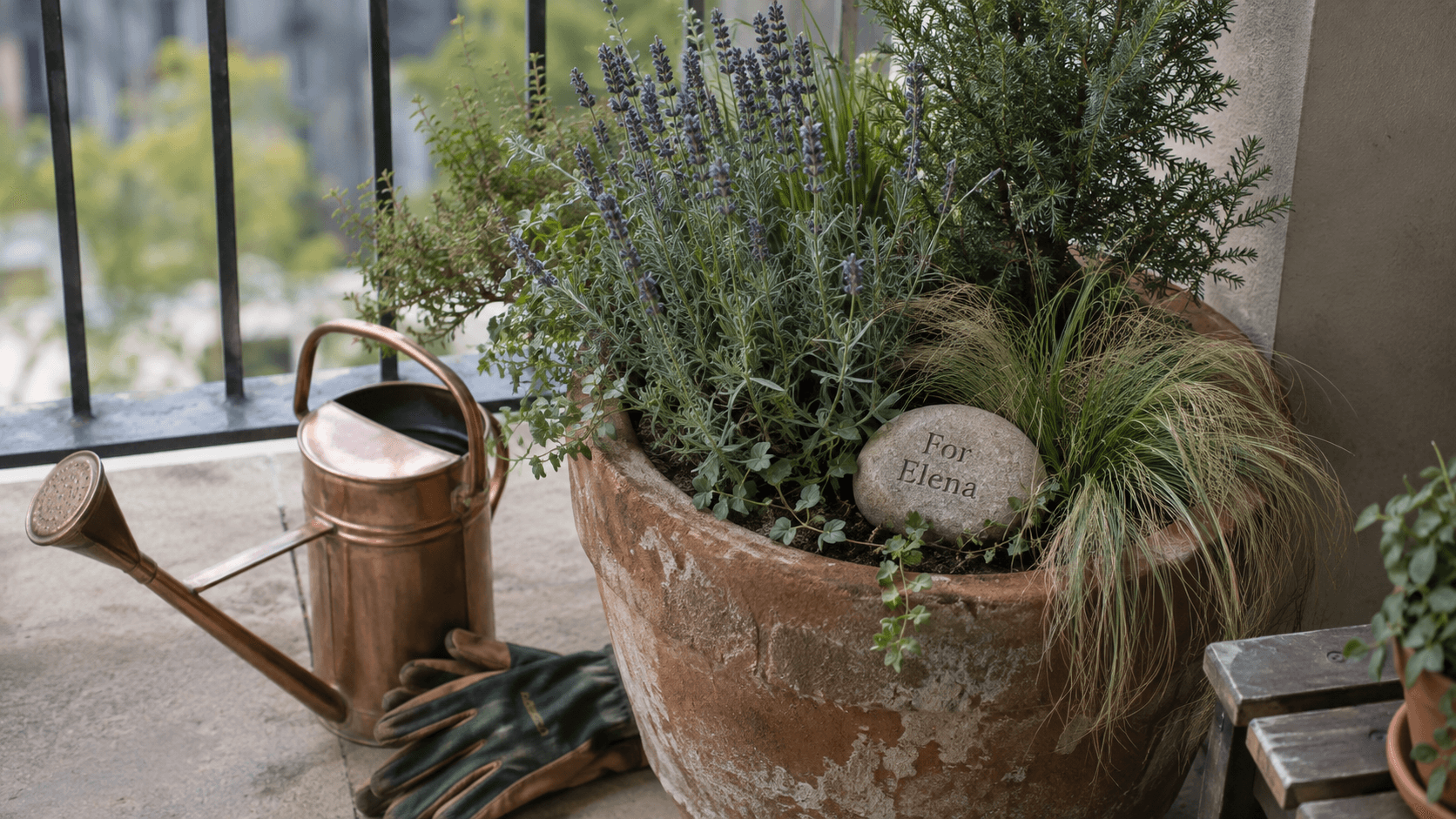
A container memorial garden can be just as personal as a permanent bed. Choose a weather-resistant pot with a drainage hole, fill it with potting mix suited to your plants, and combine one structural plant with a small number of compatible seasonal flowers. Keeping the palette simple gives each choice room to carry meaning.
Do not add gravel to the bottom in an attempt to improve drainage. University of Illinois Extension explains that gravel does not improve container drainage because water gathers in the soil above it. A bottom hole is critical for releasing excess water and preserving air around roots. Double potting can make seasonal changes easier while keeping plants with different drainage needs separate.
On a balcony, consider wind, runoff, weight, and building rules before planting. University of Illinois Extension notes that exposed balconies are prone to wind-related tipping and recommends consulting a building architect about weight limits before placing heavy containers on a balcony or rooftop. Ask a landlord, homeowners association, or building manager about any additional restrictions.
Whenever possible, keep the memorial movable. A pot placed on a sturdy plant caddy can follow the light, move indoors during severe weather, or travel with you to a future home. For renters, that portability protects continuity. The tribute remains connected to the person, not permanently tied to one address.
What to Use as the Centerpiece: A Stone, a Bench, or a Statue
Choose the centerpiece according to what you hope to do in the garden. A focal point can quietly identify the space, invite someone to sit, or hold a visual symbol with personal meaning. The best option is one that fits both the emotional purpose and the practical limits of the site.
- Memorial stone: Best for a compact or understated space. It requires little room and limited maintenance, and smaller stones may remain portable. A heavy or permanently installed stone may need a prepared base and property approval. Place it where it will not disturb roots or create a tripping hazard.
- Bench: Best when the garden is intended for sitting, conversation, or quiet reflection. It needs more level space, a stable surface, and a route that is comfortable to approach. Consider seat height, arm support, weather exposure, regular cleaning, and any permission required for installation.
- Statue: Best for a stronger visual focal point or a symbol with personal, cultural, or spiritual importance. Its size determines whether it can move with you. A stable base may be needed to prevent leaning or tipping, and detailed surfaces may require more cleaning.
A living centerpiece is another possibility. If your site has enough permanent space for roots and mature growth, our guide to planting a tree as a living memorial can help you consider species selection, placement, and long-term care.
Can You Scatter Ashes in a Memorial Garden?
Whether you can scatter ashes in a memorial garden depends on who owns or manages the land and the current laws and rules governing that location as of 2026. Obtain the property owner's consent and check the state, county, municipal, cemetery, park, homeowners association, landlord, or land-manager requirements that apply to the exact site.
Requirements can be location-specific. For example, California State Parks requires an approved permit before ashes may be scattered in its park system as of 2026 and explains that written permission is required from the property owner or controlling government agency. Its rules also distinguish scattering loose remains from placing or burying an urn.
Treat scattering and urn burial as separate decisions when seeking permission. Before placing cremated remains near plant roots, ask a local Extension professional about soil and planting considerations for your site. You may decide that keeping ashes separate from the planting area offers the clearest path while allowing the garden itself to carry the remembrance.
Confirm Permission Before You Act
Rules can differ by state, municipality, cemetery, park, rental property, and managed community. Obtain consent, verify current requirements for the exact location, and ask separately about scattering ashes and burying an urn.
How to Add a Plaque or a Marker With Their Name
A plaque can give a visitor a simple point of connection. Begin with a material intended for your weather conditions, then decide whether the marker should be freestanding, mounted on a wall, attached to a bench, or set into a stone. Ask the maker how the finish, lettering, and fasteners will age outdoors.
Confirm permission before ordering a marker for rented, shared, cemetery, or managed property. For a freestanding installation, check the proposed position for roots and contact 811 before any digging. Place the marker where plants will not quickly cover it and where someone can approach without stepping into the bed.
Keep the inscription short enough to remain readable from its normal viewing distance. A name, dates, and one meaningful phrase are often enough. Proof the spelling and dates from a reliable family record, then ask another person to review the final layout before production.
If there are more stories than the plaque can hold, an optional QR code can connect the physical garden with a collaborative tribute. You can create a lasting online memorial where relatives and friends can preserve photographs, videos, milestones, and messages without crowding the marker. Test the code outdoors from several angles before fixing it in place.
How to Keep a Memorial Garden Alive When You Have No Time
Design the garden for your hardest week, not your most motivated week. A memorial should offer a place to return to, not become a measure of how consistently you can work while grieving, traveling, managing health concerns, or caring for others.
Choose locally appropriate perennials that match the site's light and moisture. Use fewer plant varieties, group plants with similar water needs, and keep a clear route for watering and weeding. Colorado State University Extension recommends beginning with a manageable area, grouping plants with similar water requirements, and making a maintenance plan rather than overcommitting.
Apply an appropriate mulch to reduce evaporation and help protect the soil, leaving breathing room around stems and trunks. Arrange backup care before travel or difficult periods, and write down the few tasks another person would need to handle. Even drought-tolerant plants need regular water while establishing, so low-maintenance does not mean no care from the first day.
When relatives live far away or outdoor care feels uncertain, pair the garden with a digital memorial so remembrance does not depend on one person's gardening capacity. If home space is too limited for a tree, you can also learn how memorial tree planting services work and what to look for in a planting service. Through Lovekept, families can plant a memorial tree in the person's name, creating a living tribute beyond the space available at home.
Explore More Ways to Remember
See how families preserve stories, photographs, and meaningful memories in tributes that can be shared across distances and generations.
Explore MemorialsMemorial Garden Questions
A garden often begins with practical questions that feel closely tied to the future: whether you may plant where you live, what happens if you move, and how much care the tribute will require. These concerns do not make the memorial less heartfelt. Answering them early helps you create something that can endure without placing unnecessary pressure on you.
Often, the simplest design becomes the most lasting. One well-chosen container, a short inscription, and a dependable care plan may hold more meaning than a complicated garden that is difficult to sustain. Begin with what feels possible now, knowing that the tribute can grow with time.
Can I create a memorial garden on rented property?
Yes, if your lease and landlord allow it. A freestanding container garden is often the most flexible approach because it does not require digging and can move with you. Ask before attaching plaques, placing heavy containers on a balcony, changing shared landscaping, or allowing runoff into another area.
How can I begin a memorial garden on a limited budget?
Begin with one suitable plant and a simple container or small defined bed. Reuse a sound pot, request plant divisions from family, or add seasonal details gradually. Spend first on healthy plants, appropriate soil, and reliable drainage rather than filling the space with decorative objects.
Are artificial flowers appropriate in a memorial garden?
They can be appropriate when live plants are impractical, allergies are a concern, or you want dependable color during a meaningful season. Choose weather-resistant materials, secure them against wind, and inspect them periodically for fading or damage. If the garden is in a cemetery or managed property, confirm its current decoration rules.
How should I choose plants around children or pets?
Identify each plant by its scientific name and consult the ASPCA's toxic and non-toxic plant guidance for animals that use the space. Avoid relying only on a common name, since different plants may share one. Ask a veterinarian, pediatric professional, Extension office, or knowledgeable nursery when you are uncertain.
What happens to the memorial garden if our family moves?
Portable containers, small plaques, photographs, and written plant records can preserve continuity after a move. For permanent plantings, decide whether the garden may remain with the property and take photographs throughout the seasons. You might also carry a propagated plant to the next home when the species and timing make that practical.
Can a physical garden accompany an online memorial?
Yes. A physical garden offers a place to sit, tend plants, and notice the seasons, while an online memorial allows distant relatives and friends to share stories, photographs, videos, and messages. A small QR marker can connect the two. Review current Lovekept plans and features to choose the digital tribute that fits your family.
Sources
- University of Minnesota Extension, Lawns and landscapes in Minnesota
- Common Ground Alliance, 811 Before You Dig, 811 Before You Dig
- University of Minnesota Extension, Native plants support wildlife and sustainability in Minnesota gardens
- American Society for the Prevention of Cruelty to Animals, Poisonous Plants
- University of Illinois Extension, Container Drainage Options
- University of Illinois Extension, Container Size
- California State Parks, Scattering Ashes of Loved Ones in State Parks
- Colorado State University Extension, Xeriscaping: Retrofit Your Yard
Lovekept's guides are drafted with AI against briefs written by the Lovekept team. Abdullah Nabeel, the founder, is the blog's editor. Read how we produce and correct content at /editorial-standards.