What to Do When Someone Dies Abroad
What to do when someone dies abroad: who to call at the U.S. embassy, what a Consular Report of Death Abroad is, and what it really costs to bring them home.
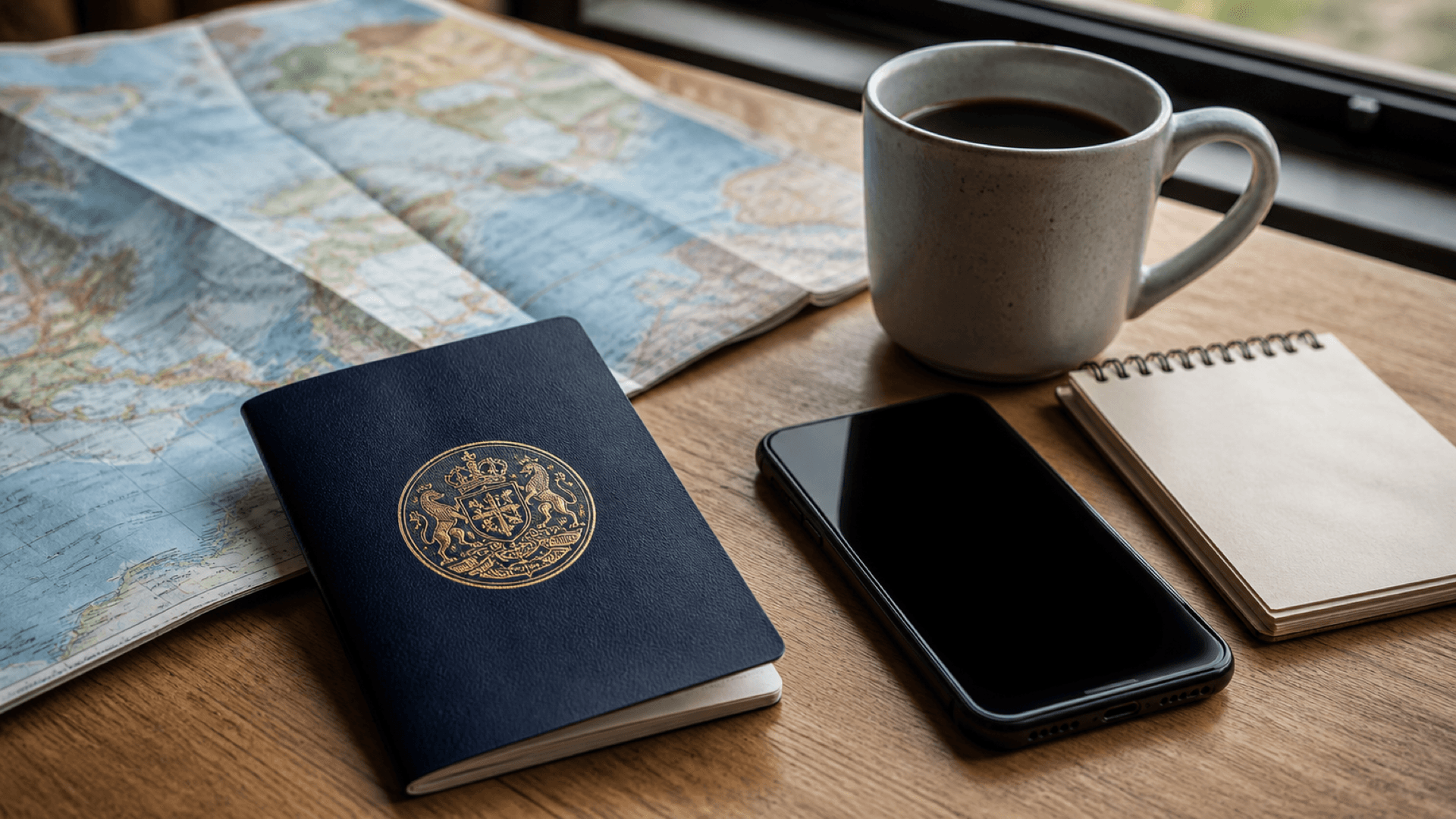
The call comes at the worst possible hour, and it comes from far away. You are in one country. The person you love is in another. In the space of a single phone call, you become responsible for navigating two systems that were never built to move quickly together.
Here is the structure that governs everything that follows. Local authorities in the country where your loved one's passing occurred control the body, the local death certificate, and every permit tied to moving or cremating remains. The U.S. embassy does not have that authority. Its job is to create the American paperwork trail, most importantly the Consular Report of Death Abroad, and to connect you with the consular officers, local funeral homes, and international shipping firms who can actually move things forward.
That division matters because it changes what you can control right now. Nothing, not a cremation, not a shipment home, not even a straightforward burial, can happen until local authorities issue their documents. The urgency you feel is real, but it outpaces what is actually possible in these first hours. Use that time to make the right calls, in the right order, and let the people around you carry what they can.
If you were with your loved one at the end, or if you are the one who found them, the shock you are carrying deserves attention first. Our guide to what to do when you are the one who finds them walks through those disorienting first minutes, before you have to think about embassies or paperwork at all.
Key Takeaways
Call the 24 hour line first. Reach the State Department's Office of Overseas Citizens Services at 1-888-407-4747, or +1-202-501-4444 from overseas, before you call anyone else.
The CRDA is the document that matters. U.S. banks, insurers, and courts rely on the Consular Report of Death Abroad, not the local death certificate alone.
The U.S. government will not pay to bring them home. The State Department has no funds for repatriation, though consular officers can help transmit private funds and instructions overseas.
Cremation abroad is usually faster and less expensive. Where local law and family wishes allow it, it is the far cheaper path home.
Check for a repatriation benefit before you hire anyone. Travel insurance, credit card protections, and expat or employer health plans often cover repatriation, but nearly all require a call to their assistance line first.
Expect one to three weeks, not days. Documentation, not transport, is what sets the timeline for bringing someone home.
How to Contact the U.S. Embassy When a Relative Dies Overseas
Start with one phone call rather than ten. The State Department's Office of Overseas Citizens Services is the front door to everything else: the consular officer who opens your case, the embassy nearest your loved one, and the local vendors who can legally move things forward. You do not need to know the process. You only need to reach the person whose job it is to walk you through it.
Here is the order that works, along with the details worth gathering before you dial. Having them ready can turn several days of back and forth into a single conversation.
The First Calls, and What to Have in Front of You
Call the State Department's 24 hour line
Call the Office of Overseas Citizens Services at 1-888-407-4747 from the U.S. or Canada, or +1-202-501-4444 from overseas. As of 2026, this line is staffed around the clock, including weekends and holidays.
Call the nearest embassy or consulate directly
If you already know which country your loved one was in, call the U.S. embassy or consulate nearest to them and ask for the duty officer if it is outside business hours.
Gather the identifying details before you call
Have the full legal name exactly as it appears on the passport, date and place of birth, and passport number ready. This lets the officer locate any existing case file immediately.
Have the circumstances ready to share
Note the date, city, and circumstances of the passing, plus the name of the hospital, hotel, tour operator, or police station involved. Specifics help the officer act faster.
Record the officer's name and name one contact
Write down the consular officer's name, direct email, and case number. Then designate one family member as the single point of contact for the embassy, so nothing gets relayed twice or lost between relatives.
Ask for local funeral home and shipping referrals
Request the list of local funeral homes and international shipping firms the post keeps on file. These are vendors the embassy has already worked with, which matters when you cannot vet them yourself from thousands of miles away.
That order is specific to a loss overseas, where time zones, language, and local holidays can slow every step. If you are also coordinating with relatives, a hospice, or authorities back in the United States at the same time, our guide on who to call first, and in what order lays out that broader sequence step by step.
Once that first call is made, nearly every family asks the same follow up question: what exactly is this Consular Report of Death Abroad the officer keeps mentioning, and why does it matter more than the certificate issued locally?
What Is a Consular Report of Death Abroad?
A Consular Report of Death Abroad, often shortened to CRDA, is the official U.S. government record of an American citizen's passing in another country. A consular officer prepares it using the local death certificate as its source, then issues it under U.S. authority.
This is the document that matters most once you are home. U.S. banks, brokerages, insurers, the Social Security Administration, and probate courts generally recognize the CRDA rather than a foreign death certificate on its own. As of 2026, up to 20 certified copies are provided free of charge when the report is first issued. Additional certified copies are requested later from the Department of State on Form DS-5542, at a fee of $50 per copy as of 2026, with processing that typically runs four to eight weeks.
The detail that consistently trips families up is copy count. Almost no one orders enough the first time, and then weeks disappear waiting on paid reissues while an account stays frozen or a policy stays unpaid. Requesting the full free allotment up front costs you nothing, and it can save you months later.
How Much Does It Cost to Repatriate a Body to the U.S.?
The most common misconception families carry into this process is that the embassy will handle, and fund, bringing their loved one home. Before you build a plan around that assumption, here is the State Department's own position, stated plainly.
“The Department of State has no funds to assist in the return of remains or ashes of U.S. citizens who die abroad.”
That does not leave you without help. Consular officers can transmit private funds and instructions to a funeral home overseas, and they can point you toward vendors the post has worked with before. The bill itself, in full, falls to the family or the estate.
That bill breaks down into distinct components, most of which are billed separately:
- Local preparation and embalming
- A hermetically sealed casket and air tray required for air transport
- Documentation and local permits
- Ground transport to the airport
- Airline cargo charges
- Receiving side costs once remains land in the U.S., including customs clearance and the local funeral home
Published figures as of 2026 commonly place the total cost of returning a body between $5,000 and $25,000, with $10,000 to $20,000 typical for a return from Europe or Asia. Shipping cremated remains instead runs a small fraction of that total.
The costs families most often forget are the ones on that last line. Customs clearance and the receiving funeral home frequently add several thousand dollars that no overseas quote ever includes, which is why a total that looked complete abroad can grow substantially once your loved one is back on U.S. soil.
Before you commit to anything, get two written quotes: one from the international shipping firm handling the departure, and one from the receiving funeral home at home. Those are the only two numbers that will actually apply to your case.
Can You Cremate Abroad and Bring the Ashes Home?
In most countries, yes, and it is usually the faster and far less expensive path home. Cremation avoids the embalming, sealed casket, and cargo shipping costs that drive up the price of returning a body, and it typically clears paperwork faster too.
A few caveats matter before you decide. Some countries restrict or prohibit cremation outright, and some faith traditions do not permit it. Most places also require written next of kin authorization, which may need to be notarized at the embassy before a crematorium will proceed.
The mechanics matter once the ashes are ready to travel. As of 2026, TSA permits cremated remains in carry-on baggage only if the container can be cleared by X-ray, so metal and stone urns are routinely refused at the checkpoint. A temporary, scannable container is the safer choice for the trip home, with a permanent urn chosen later, when there is time to choose it well.
If you are shipping rather than carrying the remains, USPS is, as of 2026, the only carrier that will knowingly accept cremated remains for shipment. Domestic legs use the Priority Mail Express Cremated Remains Box, while shipments crossing borders use Priority Mail Express International. Attach copies of the cremation certificate and death certificate to the outside of the package, and check the destination country's rules in the USPS International Mail Manual before you ship.
One gentle caution: cremation cannot be undone. Have the family conversation before the decision is made, not after, even when time feels short and the pressure to decide is coming from overseas.
Do Banks Accept Foreign Death Certificates?
Often, not on their own. U.S. banks, brokerages, insurers, and probate courts generally want to see the Consular Report of Death Abroad rather than the foreign certificate by itself.
If you present a foreign death certificate without it, most institutions will ask for a certified English translation, plus an apostille if the country is party to the Hague Convention, or consular authentication if it is not. That process alone can add weeks to an estate that is already waiting.
The bottleneck here is almost never a bank's willingness to help. It is the number of certified copies you have on hand, since each institution keeps one for its own file and will not return it. Order generously when the CRDA is first issued, and keep a scanned digital set ready for the institutions that accept copies electronically.
Does Travel Insurance Cover Repatriation of Remains?
Often, yes, and more families are covered than realize it. Many travel insurance policies, some credit card travel protections, and most expat or employer international health plans include a named repatriation of remains benefit. This is one of the few points in the whole process where a single phone call can change the size of the bill dramatically.
The catch is sequencing. Nearly every policy requires you to reach the insurer's assistance line before any arrangements are made. Families who hire a funeral home abroad first and file for reimbursement afterward are routinely denied, no matter how reasonable the expense was.
Make This Call Before You Sign Anything
Call the number on the policy or on the back of the card before you approve a single quote. Ask for the benefit limit in writing, confirm whether cremation abroad is covered as well as shipping of remains, and ask whether the insurer requires you to use providers from its own network. Limits and covered services vary widely by plan, and the answers change what you should agree to overseas.
What Happens to Their Passport and Belongings Overseas?
The passport of a U.S. citizen who passes away abroad is cancelled, typically by punching holes through the machine-readable zone. It is then returned to the next of kin, either alongside the Consular Report of Death Abroad or together with personal effects if the family asks to keep it as a memento.
Personal property follows its own process. When no legal representative is in the country, a consular officer can serve as a temporary provisional conservator of the estate and effects. The family or their representative then inventories the items, and any shipping costs for belongings fall to the family or the estate, separate from the cost of returning remains.
The advice most guides skip: photograph the inventory yourself, request a written copy of it, and never let a hotel, employer, or tour operator forward belongings without a signed list. Phones, laptops, wallets, and wedding rings are, in practice, the items that go missing between countries, and they are often the ones a family most wants to hold.
How Long Does It Take to Bring a Body Back to the U.S.?
One to three weeks is the realistic window for most families. Straightforward cases with no autopsy can close in as little as seven to ten days. Cases involving a post-mortem examination, a police investigation, a remote location, or a run of local holidays can stretch to three to eight weeks or longer.
Documentation, not transport, is where the delay actually lives. The local death certificate, a transit permit, a consular mortuary certificate, and an affidavit from the foreign funeral director all have to be issued before any airline will accept the casket for cargo. The flight itself is often the fastest part of the entire process.
While you wait, know that your loved one is being cared for. Our guide to what happens to the body between death and the funeral explains how remains are stored and handled during exactly this kind of gap, wherever it happens.
Many families use that waiting period to start something, rather than only watching the clock. Setting up an online memorial page for your loved one lets relatives in three different time zones share memories and updates without ten separate phone calls, and it gives everyone a single place to return to once your loved one is finally home.
Common Questions About a Loss Overseas
These are the questions families ask most often in the first days, usually while waiting on a call back from a consular officer. If yours is not here, the duty officer handling your case has heard it before and can answer it directly.
When the Logistics Ease, the Remembering Begins
Somewhere between case numbers, cargo manifests, and certified copies, it is easy to lose sight of the person at the center of all of it. That is normal, and it is not a failure of love. Logistics demand the front of your mind for a while, and grief waits patiently behind them until there is room.
When there is room, the work changes shape. Telling the story of a life is its own kind of task, and it does not have to start from a blank page. Our guided obituary writer turns a handful of details and memories into a first draft you can shape in your own words. Whether your loved one comes home in a week or in a month, what you build to remember them is the part that lasts.
Give Your Family One Place to Gather
Bringing someone home from overseas takes weeks. A memorial page gives relatives in every time zone somewhere to share photos, stories, and updates in the meantime, and every Lovekept memorial includes a real tree planted in your loved one's honor.
Create a MemorialLovekept's guides are drafted with AI against briefs written by the Lovekept team. Abdullah Nabeel, the founder, is the blog's editor. Read how we produce and correct content at /editorial-standards.