How to Write an Obituary for an Aunt or Uncle
How to write an obituary for an aunt or uncle: what to include, how to list nieces and nephews as survivors, opening lines, and examples you can adapt.
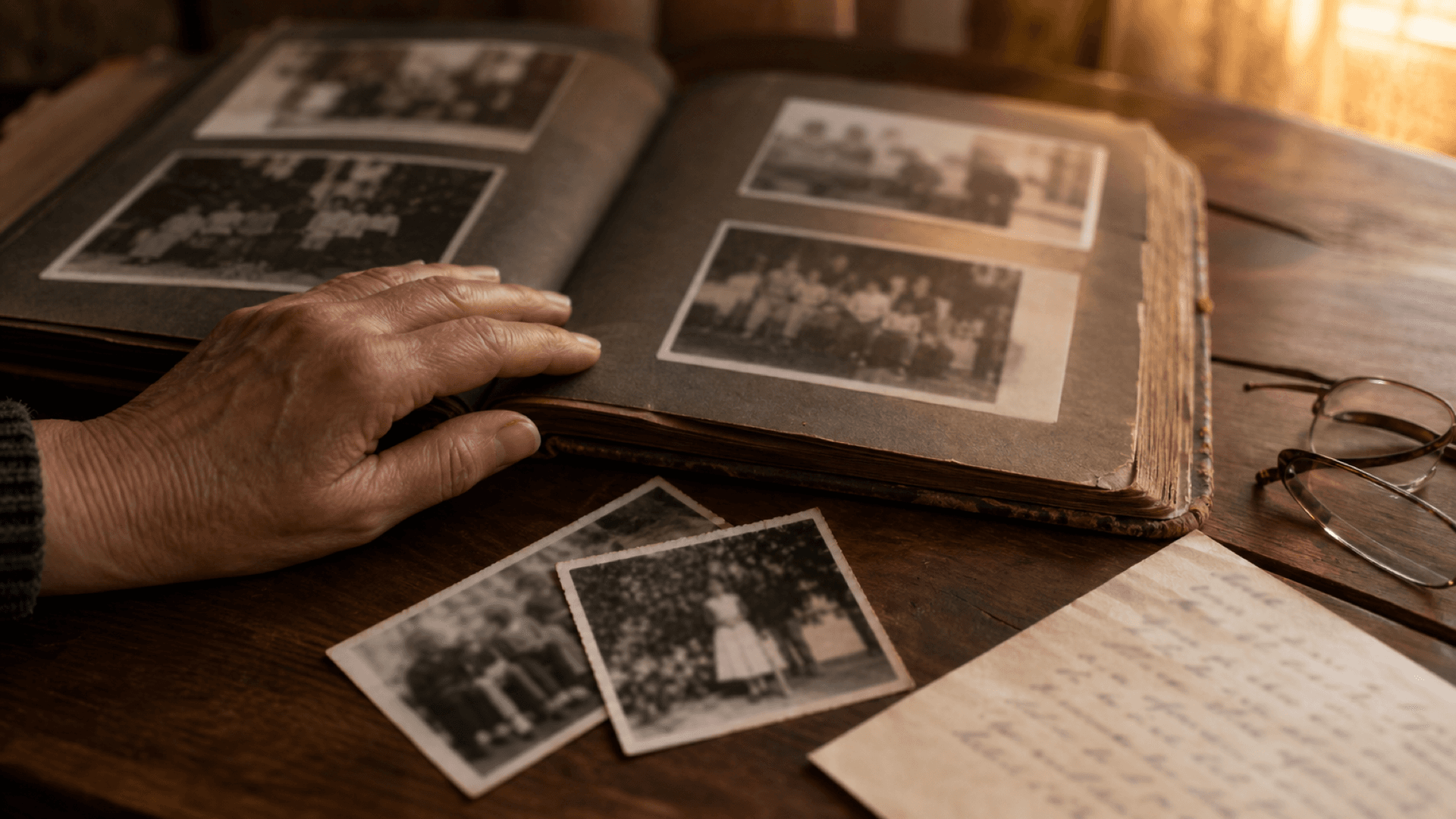
When your aunt or uncle passes, someone has to write the obituary, and that job often lands on a niece, a nephew, or an in-law rather than a spouse or grown child. Maybe you visited most often, called every Sunday, or simply live closest to the funeral home. Whatever the reason, you are now carrying a responsibility that usually belongs to someone one generation closer, and you want to get it right.
This kind of obituary is harder than most, because you likely have deep affection for your aunt or uncle and only shallow access to the hard facts: their full legal name, an exact birth date, the year they retired, or the names of every cousin who should be listed as a survivor. If you have never written one before, our guide to how to write an obituary, step by step walks through the standard format from the first line to the service details.
This post picks up where that guide leaves off. Below you will find the facts to gather before you draft anything, the wording for situations unique to extended family, such as an aunt or uncle who had no children or one who helped raise you, plus survivor wording, opening lines, and honest length guidance you can use today.
Key Takeaways
Gather six core facts first. Full name, dates, family details, work history, service information, and two or three specifics that made them recognizable, before you write a single sentence.
A niece or nephew can absolutely be the author. There is no rule that an obituary must come from a spouse or child. Family and friends step in all the time, and that is completely appropriate.
List nieces and nephews individually only when there are no children. When children or grandchildren survive, nieces and nephews are usually grouped together in one collective line instead.
Name the parental role plainly. If an aunt or uncle helped raise you, say so directly in the obituary rather than hinting at it, then read that line to someone who was there.
Expect a length of about 200 to 450 words. Most obituaries fall in that range as of 2026, and the real limit is usually what the newspaper charges per line or per word, not etiquette.
What to Include When the Niece or Nephew Is Writing the Obituary
Start with the same core facts every obituary needs, then add one extra step that matters more for extended family: verification. Before you write a single sentence, gather:
- Full legal name plus the family nickname everyone will recognize
- Birth and passing dates, along with the cities where each happened
- Marriage and family details, including a spouse's name and how many years married
- Work and service history, such as a career, military service, or volunteer role
- Two or three specifics that made them recognizable: a phrase they used, a hobby, a Sunday tradition
- Service information: date, time, location, and whether flowers or donations are preferred
Extended family faces a verification problem a spouse or child rarely does. You probably do not have the birth certificate, the military discharge papers, or the marriage license sitting in a drawer. So before you draft anything, name one older relative as your fact source, perhaps a sibling of your aunt or uncle or a cousin who stayed close, and send them your draft before it goes anywhere else. For the complete list of facts and optional extras, our what to include in an obituary checklist breaks down every field worth gathering.
In the families we work with, the details that most often come back wrong in a niece or nephew's first draft are middle names, the spelling of an in-law's surname, and the year of a second marriage. A five minute phone call to your fact source catches nearly all of them. The same approach works whichever relative you are writing for, so if you find yourself doing this again, our guide to writing an obituary for a grandmother covers the same core categories from a different angle.
How to Describe an Aunt or Uncle Who Had No Children of Their Own
Once you have the facts, the writing itself begins, and this is usually the first place families get stuck. If your aunt or uncle did not have children, write about who they poured themselves into instead of noting the absence. Describe the nieces and nephews they showed up for, the students or crews they mentored, the friendships they kept for forty years, or the garden or workshop they built and shared. That is the truth of the life, and it reads as full rather than incomplete.
Avoid a standalone sentence like "he never had children of his own." On its own, it reads as pity, and it puts an absence at the center of a paragraph that should be about presence. Recast it as a positive line about the family he chose: "Though he had no children of his own, he was Uncle Mike to a dozen nieces, nephews, and neighborhood kids who never once felt like an afterthought."
A shareable memorial page often carries this kind of legacy better than a paid print notice, since there is no word limit forcing you to cut the stories that show who someone really was. When you create a memorial page for your aunt or uncle, cousins and old friends can add as many of those stories as they want, and every Lovekept memorial includes a real tree planted in their honor, a living tribute that grows the way their influence did.
“The whole earth is the tomb of heroic men, and their story is not graven only on stone over their native earth, but lives on far away, without visible symbol, woven into the stuff of other men's lives.”
Should Nieces and Nephews Be Listed as Survivors for an Uncle?
Pericles was making a point that lands squarely on this page: a life is measured by the people it shaped. The survivor list is where that shows up in print, and for an uncle the honest answer is usually yes, nieces and nephews belong there. How you list them depends on whether he had children.
When an uncle is survived by children and grandchildren, tradition groups nieces and nephews together in one collective line near the end of the survivor list, for example: "and many loving nieces and nephews." This keeps the focus on his immediate family while still acknowledging the wider circle.
When there are no surviving children, nieces and nephews often become the primary survivor line, and it is common practice to name each one individually: "He is survived by his nieces Sarah Jenkins and Rachel Cole, and his nephews Tom Alvarez and Danny Alvarez." This places them where children would normally appear, since they were often the closest family he had.
There is a practical limit worth knowing before you draft this section. Naming every one of eighteen nieces and nephews individually can double the word count of the notice, and in a print obituary that doubles the cost too. A good compromise is to name the few who were closest, then close with a collective line for everyone else. Our full breakdown of how to list survivors in an obituary covers the traditional order and exact wording for family sizes of every kind.
How to Mention an Aunt or Uncle Who Helped Raise You
Sometimes the survivor list is not enough, because the relationship was never really an aunt or uncle relationship at all. If yours helped raise you, name the role in plain words rather than hinting at it. Vague language like "she was always there for us" undersells what she actually did, and the people who lived it will notice.
- "She raised her sister's three children as her own, and they called her Mom in every way that mattered."
- "He was a second father to his nephews after their dad passed, coaching their teams and showing up at every graduation."
- "She helped raise us alongside our mother, and we grew up with two women we called Mom."
This is the line most guides skip, and it gets read closely by the people who were actually in that household. The goal is to honor your aunt or uncle without rewriting family history or implying a judgment on a parent who is still living. When in doubt, describe what they did rather than declaring a title. "She showed up every single day" says as much as "she was our mother" without the risk of a family member feeling erased from their own story.
If the relationship was effectively parental, borrow from the guides written for that loss. Our templates for writing an obituary for a mother and writing an obituary for a father were built for exactly that kind of grief, and much of the wording adapts directly to an aunt or uncle who filled the role.
Read the Parental Line Aloud to One Other Relative First
Before you submit the obituary, read the sentence about being raised by your aunt or uncle out loud to one person who was actually in the household at the time. This is the line families most often ask to change after publication, and print corrections are rarely free. A ten minute phone call now can save an awkward, costly edit later.
How to Write About an Aunt and Uncle Who Died Within Months of Each Other
Some families face this twice in a single year. When an aunt and uncle pass within months of each other, you can write one joint obituary or two separate, linked notices, and the choice usually comes down to whether the family is holding one combined service or two.
A joint obituary typically opens with both names and both dates together, followed by a full paragraph for each life told separately, then a single shared survivor list and one service block at the end. Giving each of them their own paragraph matters. It keeps the notice from reading as though one life was a footnote to the other, and it works well when the couple was inseparable in the community and a combined service is planned.
For the second passing, common wording acknowledges the earlier loss without suggesting it caused the second: "Following the loss of his wife of 51 years in March, John passed peacefully at home in July, surrounded by family." Avoid language that implies grief itself was the cause, such as "died of a broken heart," unless that phrasing genuinely reflects how the family wants the story told.
Two separate notices are worth the extra cost when your aunt and uncle each had distinct communities to reach: a separate church, workplace, or hometown that would not otherwise see a joint notice run in the other's paper.
Let Lovekept's Free Obituary Writer Handle the First Draft
You already have the facts you gathered above. Enter them into Lovekept's free obituary writer and get a complete first draft in minutes, one you then edit into your own words and your family's voice.
Try Our Obituary WriterOpening Lines for an Aunt or Uncle Obituary
Whether you start from a blank page or an assisted draft, the first sentence matters more than any other in the notice. It is the line that gets read in full, and often the one quoted at the service. Here are four patterns to adapt, each with a filled in example.
- The traditional announcement: "Margaret Anne Doyle, 74, of Cedar Rapids, Iowa, passed away peacefully on August 3, 2026, surrounded by family."
- The nickname-led opening: "Everyone who knew her called her Aunt Dodo, and on August 3, 2026, the family said goodbye to the woman who made every holiday feel like a celebration."
- The personality-led opening: "Uncle Ray never met a stranger, and he proved it right up until his passing on July 14, 2026, at the age of 81."
- The role-exceeded-title opening: "Uncle Frank was never just an uncle. He was the man who taught half the neighborhood to fish, and he passed away on June 2, 2026."
Pick the pattern that sounds like the person, not the one that sounds most formal. If you want more options, our collection of obituary phrases for every part of the notice has more openings, personality lines, and closing phrases to borrow from.
How Long Should an Obituary for an Aunt or Uncle Be?
Once you have an opening you like, the question becomes how much to write after it. Most obituaries for an aunt or uncle run about 200 to 450 words as of 2026, with the typical print notice landing closer to 250 to 300 words plus one photo.
Length is driven by cost structure more than etiquette. As of 2026, newspapers generally charge an insertion fee plus a per line or per word rate, with extra fees for a photo and for weekend editions. That rate card, not a rule of good taste, is the real word limit most families are writing to. Confirm the current rate with your paper before you finalize a draft, since pricing changes and varies widely by publication.
Online memorial pages carry no length ceiling, which is exactly where a longer tribute belongs: the stories about who your aunt or uncle mentored, the garden they built, or the forty year friendships that a 250 word print notice cannot hold. Our guide to how long an obituary should be breaks down word counts for every format, and Lovekept's free obituary writer can size a draft for whichever one you are publishing in.
Before You Submit the Obituary
Read the finished draft out loud once, then send it to your fact source and to one person who was closest to your aunt or uncle. Between them, they will catch the misspelled surname, the missing cousin, and the sentence that does not sound like the person everyone knew. That is the whole quality check, and it takes an evening at most.
Remember that the newspaper notice is only the first draft of how your aunt or uncle will be remembered. The stories that will not fit in 250 words, the fishing trips, the nicknames, the kitchen table that everyone ended up at, belong somewhere they can keep growing. If you are also speaking at the service, our eulogy writer can help you shape those same memories into remarks. Being asked to write this was a form of trust. Take your time with it, and let the rest of the family help you carry it.
Give Their Story a Home That Has No Word Limit
Create a memorial page where cousins, neighbors, and lifelong friends can add the photos and stories a print notice could never hold. Every Lovekept memorial includes a real tree planted in their honor.
Create a MemorialLovekept's guides are drafted with AI against briefs written by the Lovekept team. Abdullah Nabeel, the founder, is the blog's editor. Read how we produce and correct content at /editorial-standards.